

Rome is a city I feel instantly comfortable in as soon as my sandaled feet hit the cobblestone ground. My first visit was for a European business class I took in the Eternal City one summer during graduate school. I was there without a sightseer’s agenda yet had more free time than I expected to soak up its culture and chaos. Rome offers a wealth of things to see and do, and I left with a list as long as the Appian Way of all the museums and monuments, piazzas and pizzerias that I wanted to visit on a return trip, which has only kept me coming back again and again.
As comfortable as I’ve become in Rome, it’s not hard to feel overwhelmed at times – it’s ROME after all – with so much history, so much scale, so much changing and so much staying the same that it’s impossible to take in ALL of Rome no matter how hard you try. This guide is by no means an exhaustive list of all that there is to see and do (and eat!) in Rome. The city is big and beautiful but also gritty and complex and that’s what makes it Rome. It will always hold a special place in my heart and if you’ve never been, I hope you visit and love Rome as much as I do.
Getting There and Around
Most visitors traveling to Rome by plane will arrive at the Leonardo da Vinci Airport, also known as Fiumicino (FCO). The airport has been rated one of the best in Europe in recent years and is conveniently connected to the historic center by the Leonardo Express train, which departs every 15 minutes and takes you directly to the city’s main train station Termini in about a half hour. I’ve also found that a shuttle service like Welcome Pickups is a great way to get to and from the airport, especially for late night arrivals or early morning departures.

Rome is easy on the eyes but not so much on the feet. Things are often farther than you anticipate and it’s easy to make the mistake of trying to do too much on foot. And when we’re talking about long distances on centuries old cobblestones, one day in Rome can feel like a marathon. While you should definitely pack your moleskin and/or band aids just in case you overdo it, there are a few tips I can offer to make getting around easier. The first is to take advantage of public transportation whenever possible. Rome has two main metro lines, Line A (red) and Line B (blue), which intersect at Termini station. Line C (green) is still under construction but connects with Line A at San Giovanni and will eventually connect with Line B at Colosseo, further expanding mobility options in the coming years. Buses and trams can also be helpful to reach areas that the metro doesn’t cover.
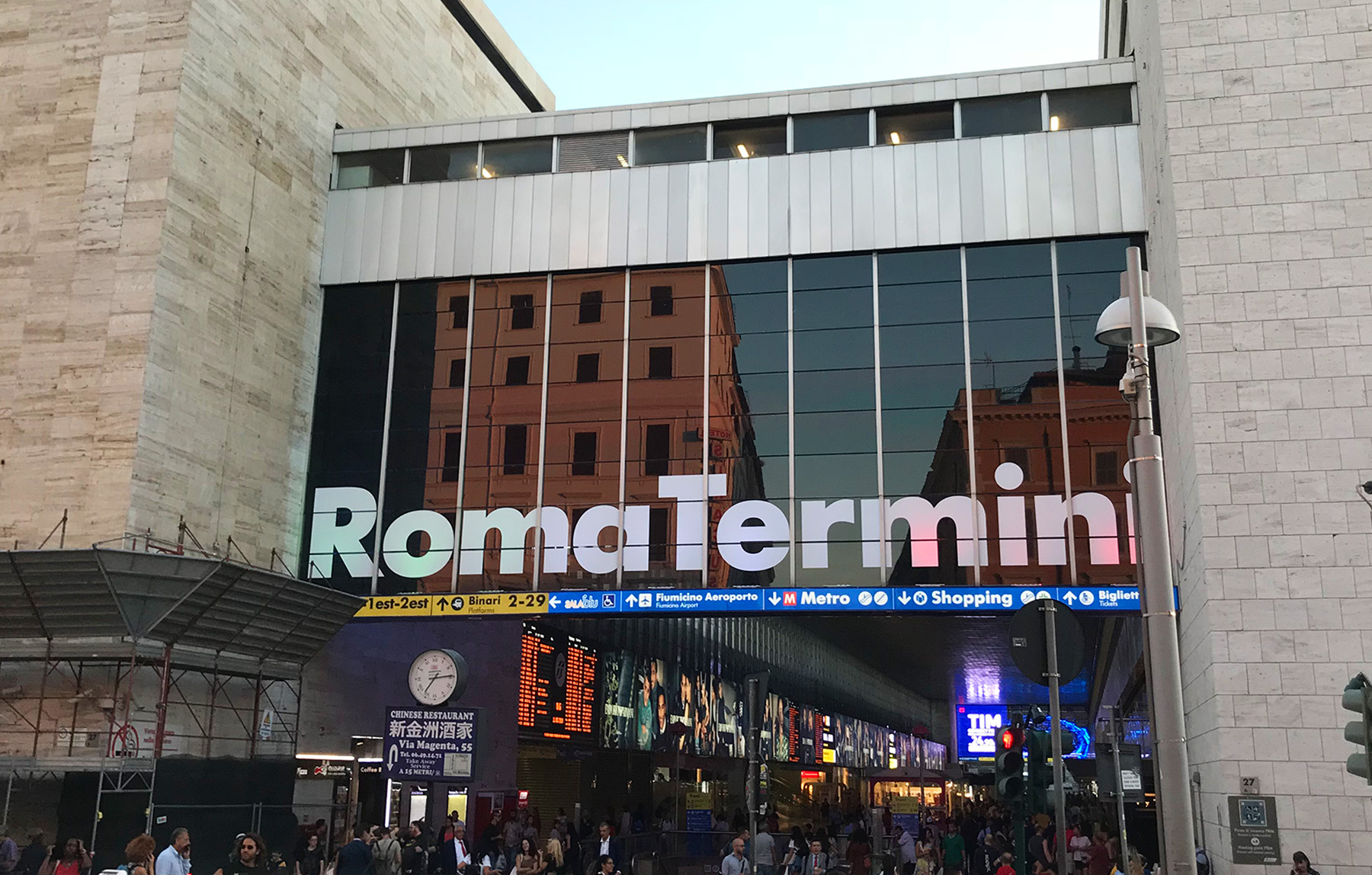
Although, Rome is best seen on foot and since the historic core is so large and spread out, the second tip is to cluster your sightseeing by area to make the most of your time. For example, you might plan to visit the Vatican one day, then the Colosseum, Forum and Palatine Hill on another day and so on. Choosing a place to stay near a metro station will also help you get where you need to go as you make your way around the city.
What to See and Do
Rome offers a seemingly endless list of wonders to discover. Walking through Rome is like time traveling 2,000 years into the past and the best place to experience the city’s ancient grandeur is at the Colosseum, Roman Forum and Palatine Hill. There are several different tickets options available to see these iconic sites, including some that can be used over multiple days with special access to the arena floor, underground, attic and other sites within the archeological park. To this day the Colosseum does not cease to amaze me and remains quite possibly the single most impressive site I’ve ever visited.


Throughout the city there is an abundance of art and architecture, plenty of piazzas and countless churches that are free to enjoy (just remember to have your shoulders and knees covered when visiting the latter). Some highlights include Pantheon, which is one of the best-preserved buildings from ancient Rome, the Trevi Fountain of La Dolce Vita cinematic fame (don’t forget to throw a coin in over your left shoulder to ensure a return visit to Rome!) and the Spanish Steps that marks the perfect starting place for an evening passeggiata.


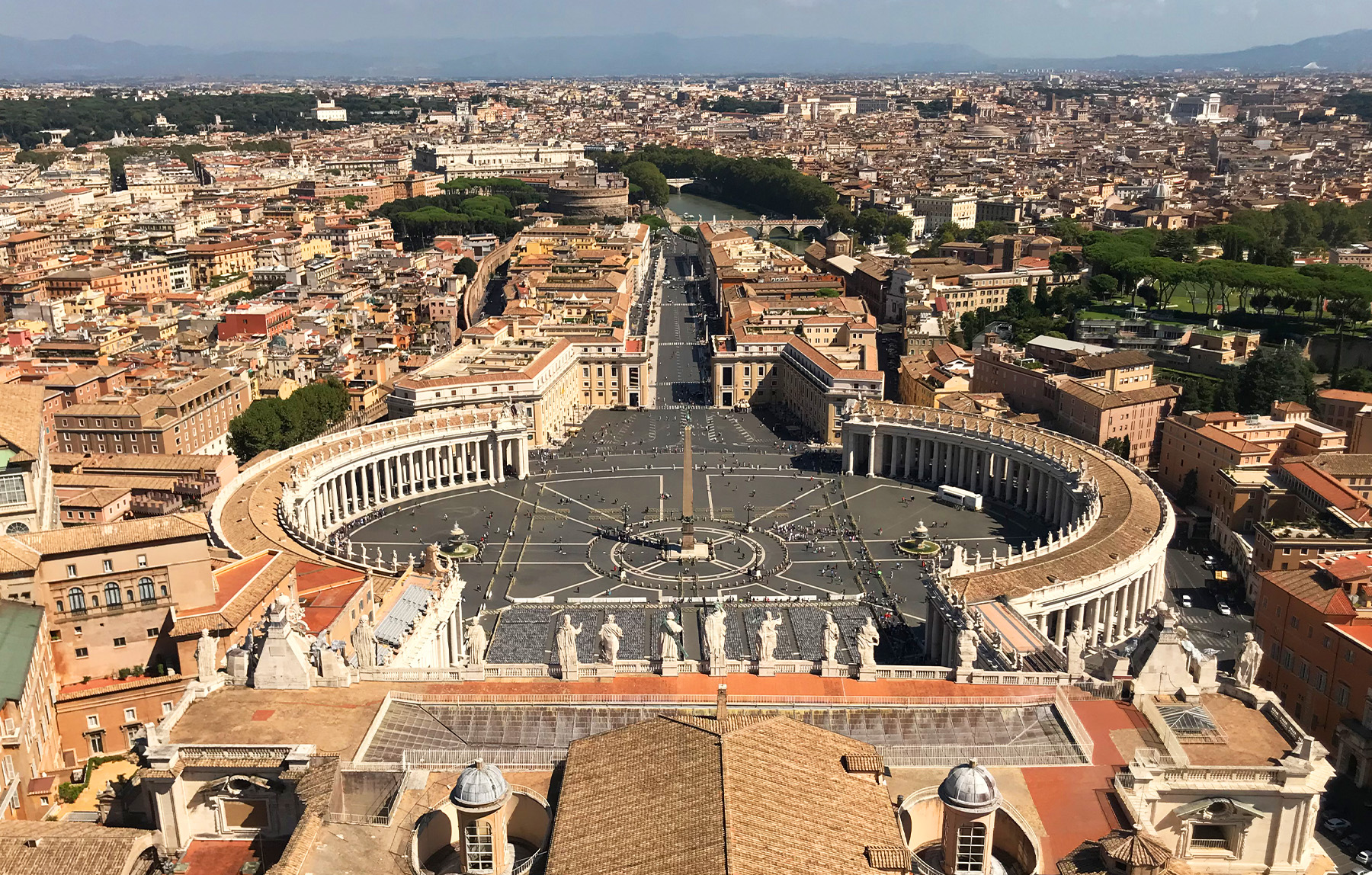
The ellipse-shaped Piazza Novana is another favorite spot to visit both day and night with its gorgeous fountains, as well as the nearby Campo de’ Fiori with its market stalls of produce, pasta, spices and other touristy items for sale. For some of Rome’s most exclusive (window) shopping, head to the area surrounding Via del Corso, which runs between Piazza Venezia and Piazza del Popolo. And for a more low-key experience, venture across the Tiber River to the atmospheric neighborhood of Trastevere, or spend a day relaxing in the Villa Borghese park.
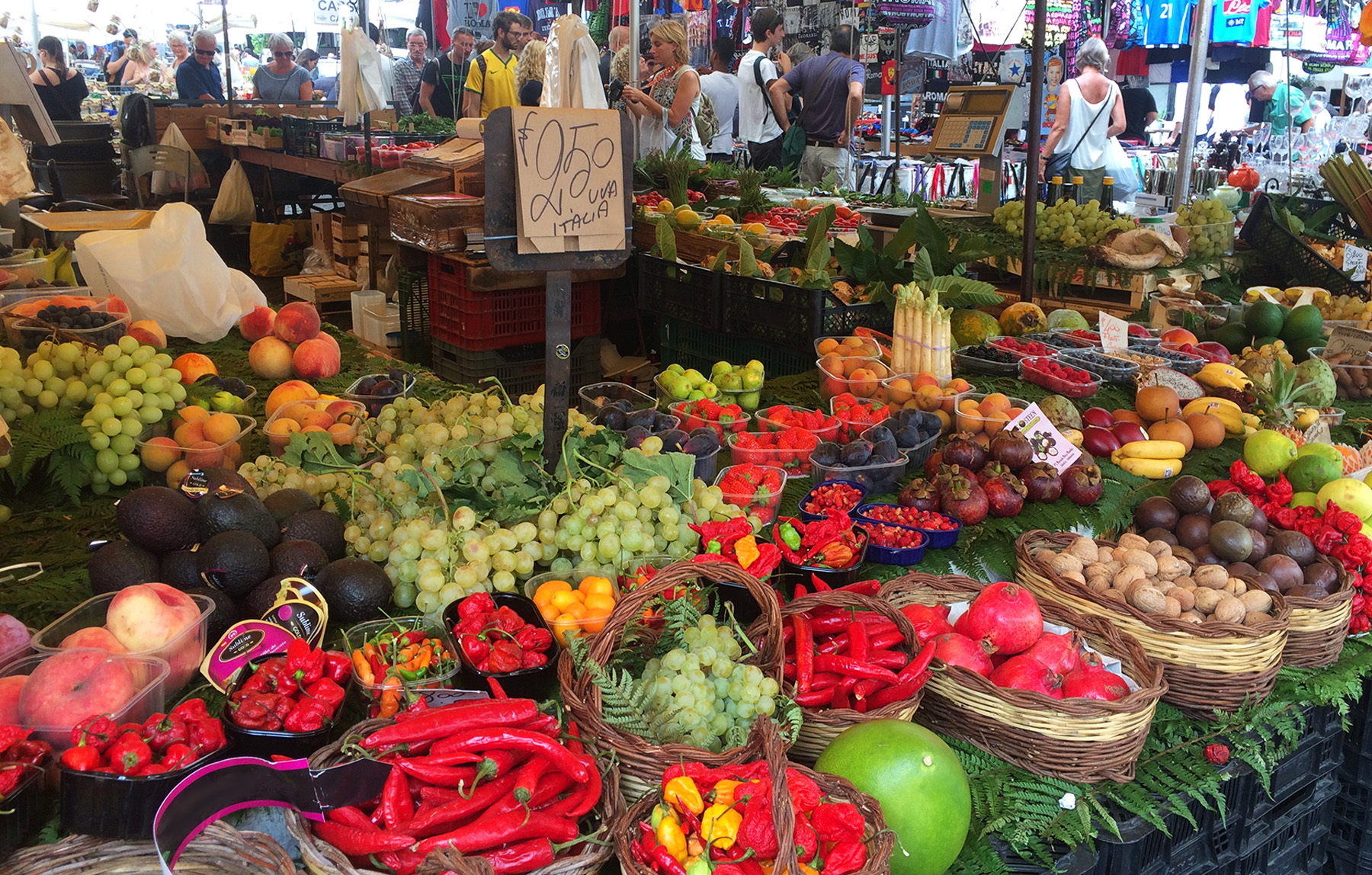
The centerpiece of Vatican City (which is technically its own country – the smallest in the world!) is St. Peter’s Basilica and its surrounding colonnade-lined square. The church is the largest and perhaps most important in Christendom and lives up to every expectation in terms of its size and beauty. To take your visit to the Vatican to another level (literally and figuratively), you can also climb to the top of its dome for an incredible view overlooking the square, book the semi-secretive Scavi Tour to the catacombs below St. Peter’s or attend the Pope’s weekly General Audience on Wednesdays. Don’t miss the Vatican Museum, which houses a series of ornate rooms, art and of course Michelangelo’s Sistine Chapel, as well as the nearby Castle Sant’Angelo, a museum and mausoleum for the emperor Hadrian just a short walk from St. Peter’s.

There are tons of other museums throughout Rome, large and small, ranging from the Borghese Gallery and Museums in the heart of the Villa Borghese gardens, to the Capitoline Museums located on Michelangelo’s Campidoglio and the Centrale Montemartini with ancient sculptures in an old power plant. Many of these museums (as well as the Colosseum, Forum and Palatine Hill) are covered by the Roma Pass, and for first time visitors with a long sightseeing list the pass can be a good value. It comes in 48 and 72-hour options and includes free admission to the first 1 or 2 sites visited, plus free use of the city’s public transportation for the duration of the pass and discounts on other sites (some reservations required). In general, it’s good advice to book tickets in advance whenever possible. Ever increasing crowds have made this necessary at some of Rome’s most popular sites, and policies are frequently changing so be sure to do your homework before your trip.
It’s impossible to take in everything Rome has to offer during a single visit, so plan your time wisely and resist the urge to cram in too much. Rather, do as the Romans do and slow down (ever heard of the saying la dolce fa niente?) and make an intention to return someday. Sometimes the best way to experience a place is to just walk around its streets and Rome is no exception. Lastly, if you are looking to break up your time in the city, an easy daytrip option is to the archaeological site of Ostia Antica (aka Rome’s Pompeii, accessible via public transportation) or book a bike tour down the ancient Appian Way through the countryside to see the remains of the region’s impressive aqueducts. When in Rome…

Where to Eat and Drink
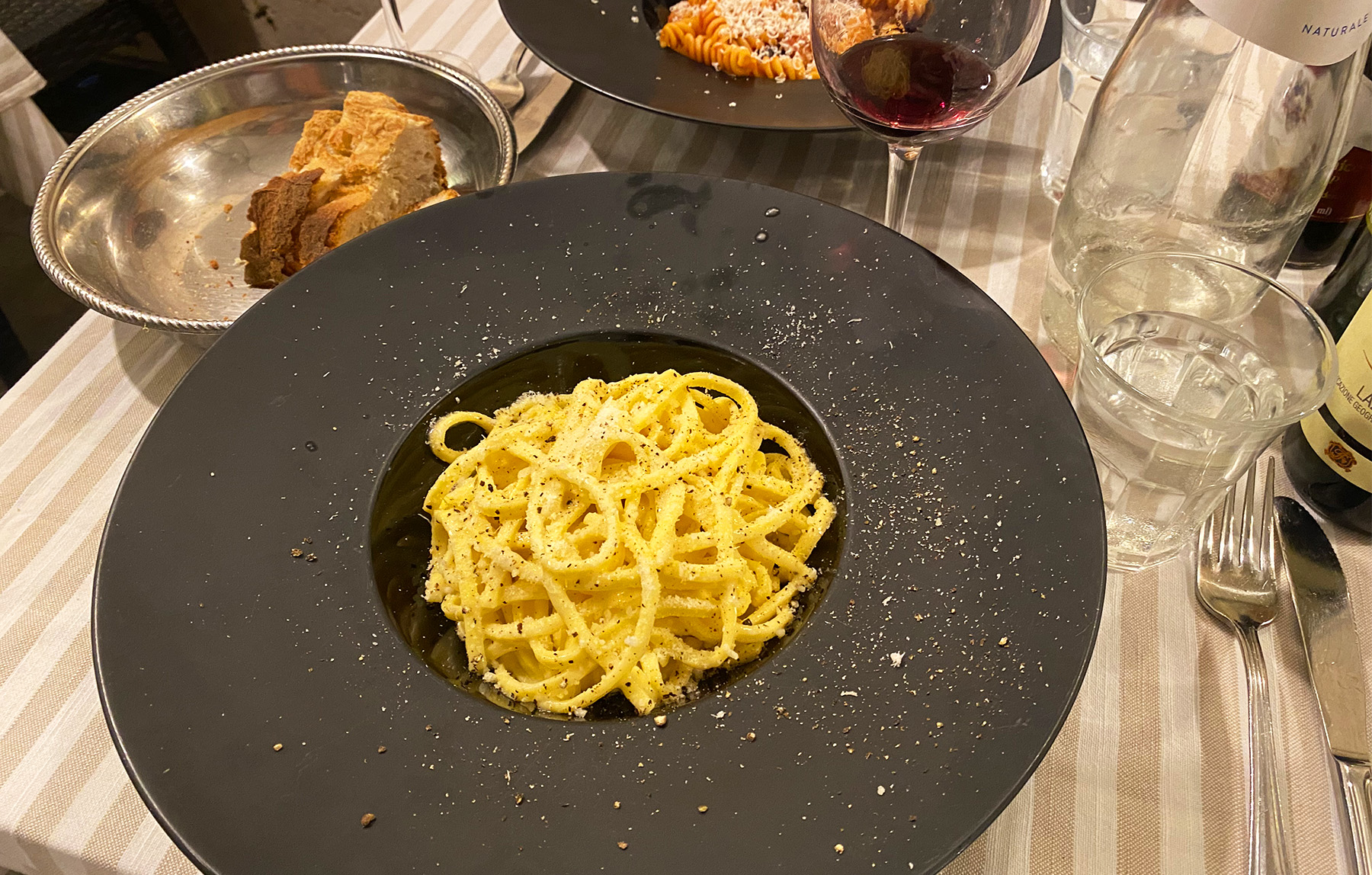
No matter how many times I visit Rome I continue to discover more and more “favorite” places and things to eat. In general, you can’t go wrong with whatever is in season or traditional Roman pasta dishes like cacio e pepe (Pecorino Romano cheese and black pepper), amatriciana (tomato sauce, guanciale, red pepper flakes and cheese), carbonara (egg, guanciale and cheese) and alla Gricia (cacio e pepe with the addition of guanciale). You’ll also find tons of places serving Roman-style pizza with its trademark thin and crispy crust, some of my favorites which include San Marco, Li Rioni and Pizzeria Remo.

Breakfast is often a simple caffè e cornetto (espresso and pastry), taken either standing or sitting at a neighborhood bar (café). I’m also partial to a caffè latte, warm or iced depending on the season. Lunch can be a large and long experience but for busy tourists grabbing a quick sandwich or slice of pizza is an easy and affordable option, as is browsing the many options at markets such as Mercato Testaccio or Mercato Centrale inside the Termini train station. Italians eat dinner around 8:00pm or later (many restaurants don’t even open until 7:00pm) and advanced reservations are increasingly a good idea. Before dinner you can partake in an evening passeggiata or aperitivo with an iconic cocktail like a negroni or spritz accompanied by light snacks.
And any time of day (or night) is a good time for gelato, and you’ll find no shortage of places to indulge in this cool and delicious treat. While I have many favorites ranging from the historic Giolitti to the understated La Strega Nocciola, one important tip is don’t be tempted by overflowing displays of unnatural colors, which can be a sign of artificial ingredients. Rather, hold out for the good stuff noted by more muted colors and often the designation artigianale (artisanal). And don’t be afraid to ask for un assaggio (a taste or sample) before making your selection. You can find more recommendations for places to eat in Rome here, here and here.

Where to Stay
There’s no one good neighborhood to stay in Rome as it depends on your interests and preferences. I almost exclusively stayed in apartments, long before the rise in popularity of today’s vacation rental sites. One of my favorite areas is near the Vatican, which has a quiet residential feel, whereas I’ve found other locations near Piazza di Spagna and Via del Corso to be a bit too hectic. I’m also partial to the neighborhood just north of Piazza Navona. Regardless of whether you like to be in the middle of the action or off the beaten path, what I always look for is proximity to a metro station to make getting around easy. For short stays, I recommend The Beehive, a little gem of a place that’s a quick walk from Termini, which is especially convenient if you’re arriving/departing by train. Not only does it offer clean and comfortable rooms that are affordably priced, Steve and Linda are the perfect hosts with a wealth of information and willingness to help guests make the most out of their time in Rome. An added bonus…bagels.

Also Good to Know
One of my favorite things I love about Rome, especially in the heat of the summertime, are the nasoni drinking fountains that you will find around the city. These nose-shaped fountains provide clean, cool water and are perfect for filling up your water bottle while on the go. Also, I’m a firm believer that a little language goes a long way and making an attempt to learn a few key Italian words and phrases will provide for a more enjoyable experience in Rome. What words make the short list? Think buongiorno (good morning/hello), ciao (hi/bye), per favore (please), grazie (thank you) and vorrei (I would like) to name a few. I always find that Italians appreciate the extra effort and are more than willing to help fill in the blanks if you ask come si dice… (how does one say…). La vita è bella, no?

 Boarding Pass