
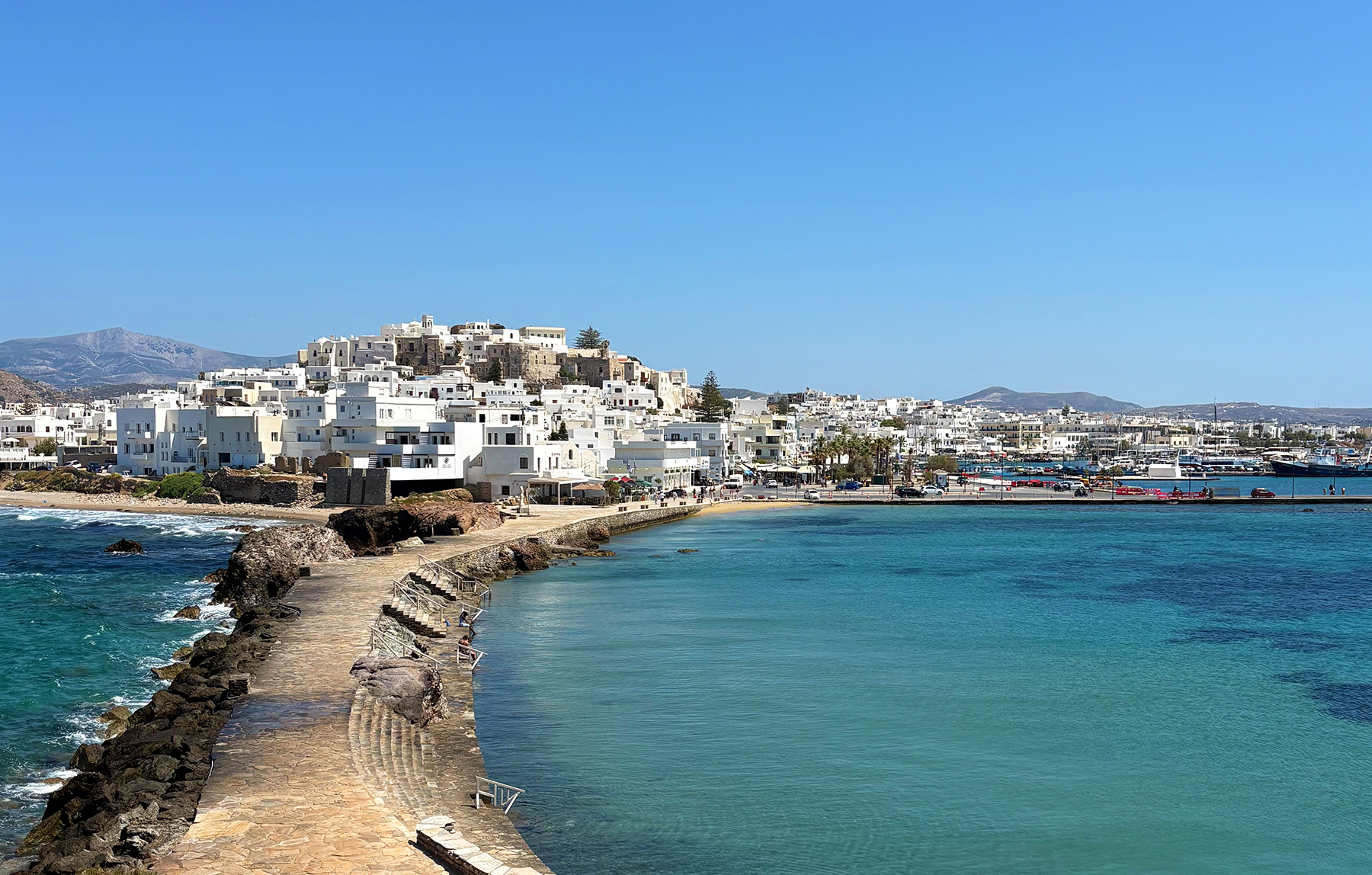
The Cycladic Islands are the stuff Greek dreams are made up of – whitewashed villages with winding streets, beautiful beaches with sapphire blue water and lingering nights with sunset views. Given that there is so much charm packed into these small islands dotted with even smaller towns, it’s not surprising that many of the top billing destinations have become stiflingly crowded. That’s why we ventured to Naxos, a lesser-considered (but not for long) island that’s just as easy to reach as Santorini and Mykonos with frequent ferries and a small airport. We loved spending our evenings in its lively main town and rented a car so that we could explore other parts of the island each day. If you’re looking to add Naxos to your travel wish list, here are my top 5 things to see and do on this lovely Greek island.
1. Visit the Temples
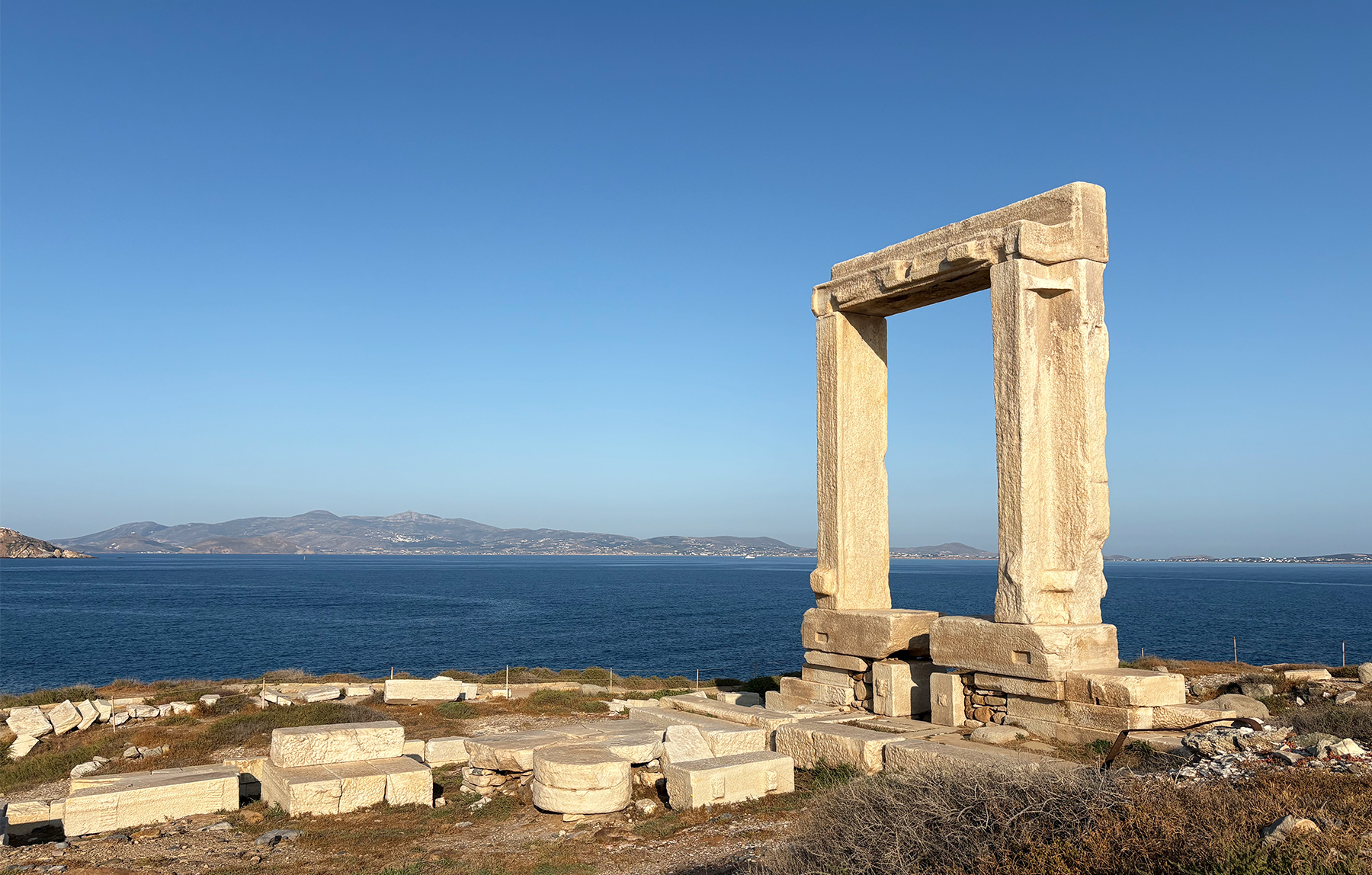
First impressions are everything and the most famous temple on the island of Naxos is one that was never completed. As you arrive at the port you can’t miss the so-called Portara, a doorway to the unfinished Temple to Apollo. From the port area, it’s an easy walk up to and around this “window to the sea”, which is particularly popular at sunset. Facing Apollo’s birthplace of Delos, the site dates back to 530 B.C. and is steeped in mythology. While much of its original marble has since been used in other building projects, the Portara was too heavy to dismantle and remains a symbol of Naxos today. Other temples around the island that are worth a visit include the Temple of Demeter and the Temple of Dionyusus. Both charge a small admission fee and have limited hours so be sure to check in advance before making a trip to either site.
2. Relax on a Beach or Three
Part of the allure of Greek is the seemingly endless supply of beautiful beaches, and there are many options to consider on Naxos. Some of the most popular beaches are located along the island’s west coast and are easy to reach from the main town by bus. First, within walking distance just outside of the Chora (and a stone’s throw from the lovely Villa Naxia where we stayed) is Agios Giorgios Beach, a long sandy stretch lined with open-air restaurants and beach chairs for rent.
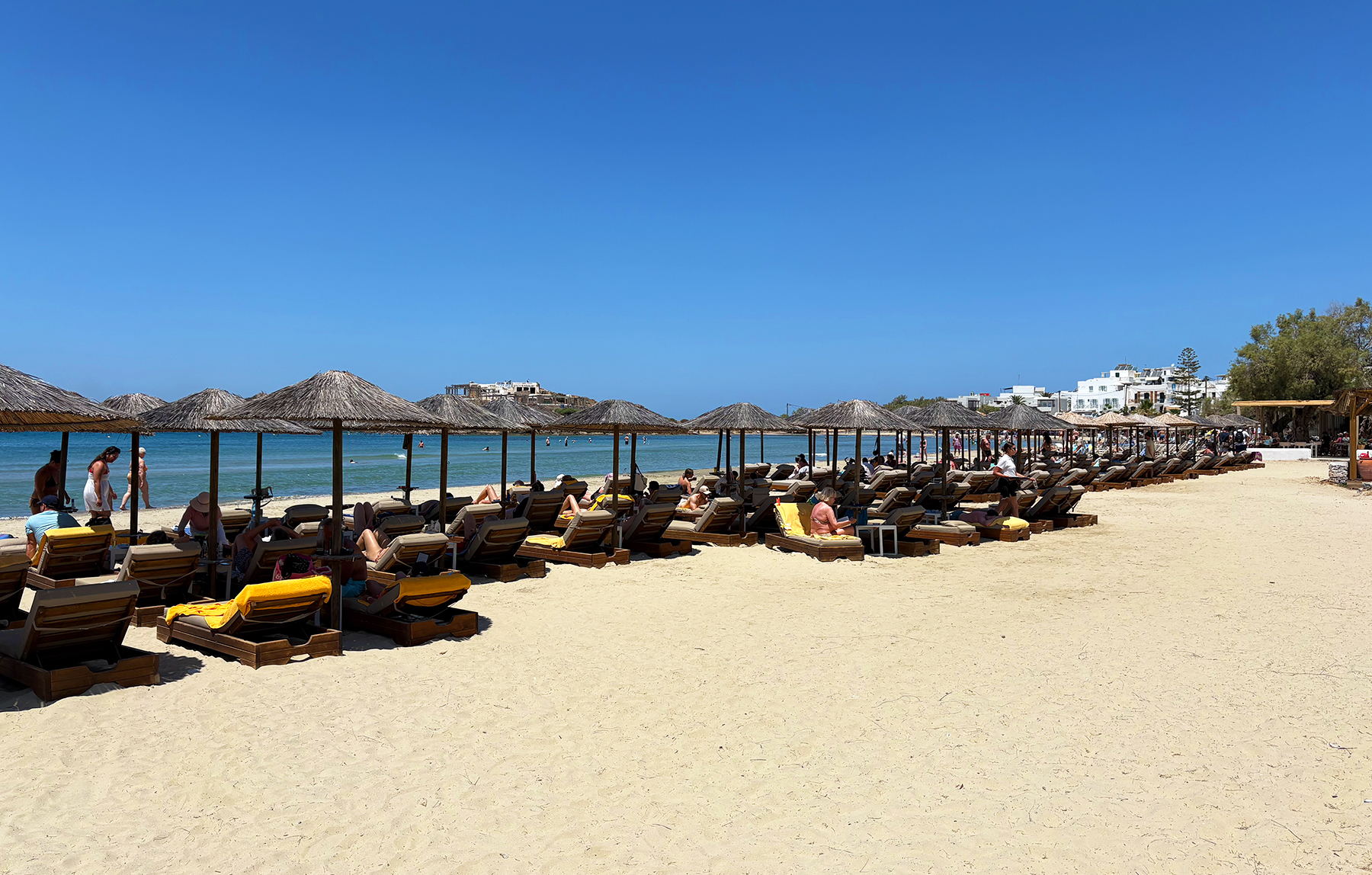
Continuing south you’ll find Plaka Beach, which at 4km in length is the longest on the island and known for its golden-white sand and turquoise-blue water. Othe notable beaches include Mikri Vigla Beach, which is actually two beaches divided by a rocky hill with the northern part perfect for wind and kitesurfing and the southern part with crystal clear water in a protected cover and a lively snack bar, and Hawaii Beach and Alyko Beach, known for their cedar forests and the shell of an abandoned hotel adorned with colorful graffiti, among many others in between. These are even easier to reach if you rent a car or scooter, giving you the freedom and convenience to explore the island at your own pace.

3. Hike a Mountain
I’m always up for a good hike, especially when it’s a challenging one with some sort of unique payoff, so was enthusiastically drawn to Mount Zas. Its peak is the highest point in the Cyclades at more than 1,000 meters and as the story goes, was the childhood home of Zeus who hid from his father in a cave on its slopes.

A word of caution, this hike is hard and not for the faint of heart. The total distance is a short but grueling 5 miles roundtrip depending on which route you take. One option is an out and back route from the Aria Spring on the northwest side of the mountain up to the cave and then summit. We opted for a loop trail that started in the village of Filoti traveling clockwise to the summit and then passing by the cave on the way down. The initial stretch of the trail felt as if we were hiking along the edge of someone’s unkempt property before we reached the Agia Marina chapel where you’ll find a more official looking start of the trail (in hindsight it might have been better to follow the main road from Filoti to the chapel instead).

The trail quickly became more uneven and rocky as we approached the summit (it was here a strap on my beloved hiking sandals snapped, creating yet another level of difficulty to the hike). The way down felt even steeper and had us scrambling over loose rocks and boulders at several points (not ideal if you have bad knees), before eventually connecting with a marble stone path leading to the Aria Spring at the bottom.

In general, we found that the trail was not well marked, but not impossible to follow if you keep an eye out for stacked cairns and the occasional rock marked with red paint. You definitely need to be prepared with good shoes and lots of water and plan to start early since there is no shade on the trail. While the cave itself was less than impressive (it’s fenced off as entry is not permitted), the views along the way were beautiful and the hike left us wiped out and ready to spend the rest of the afternoon on a beach.
4. Shop in the Chora
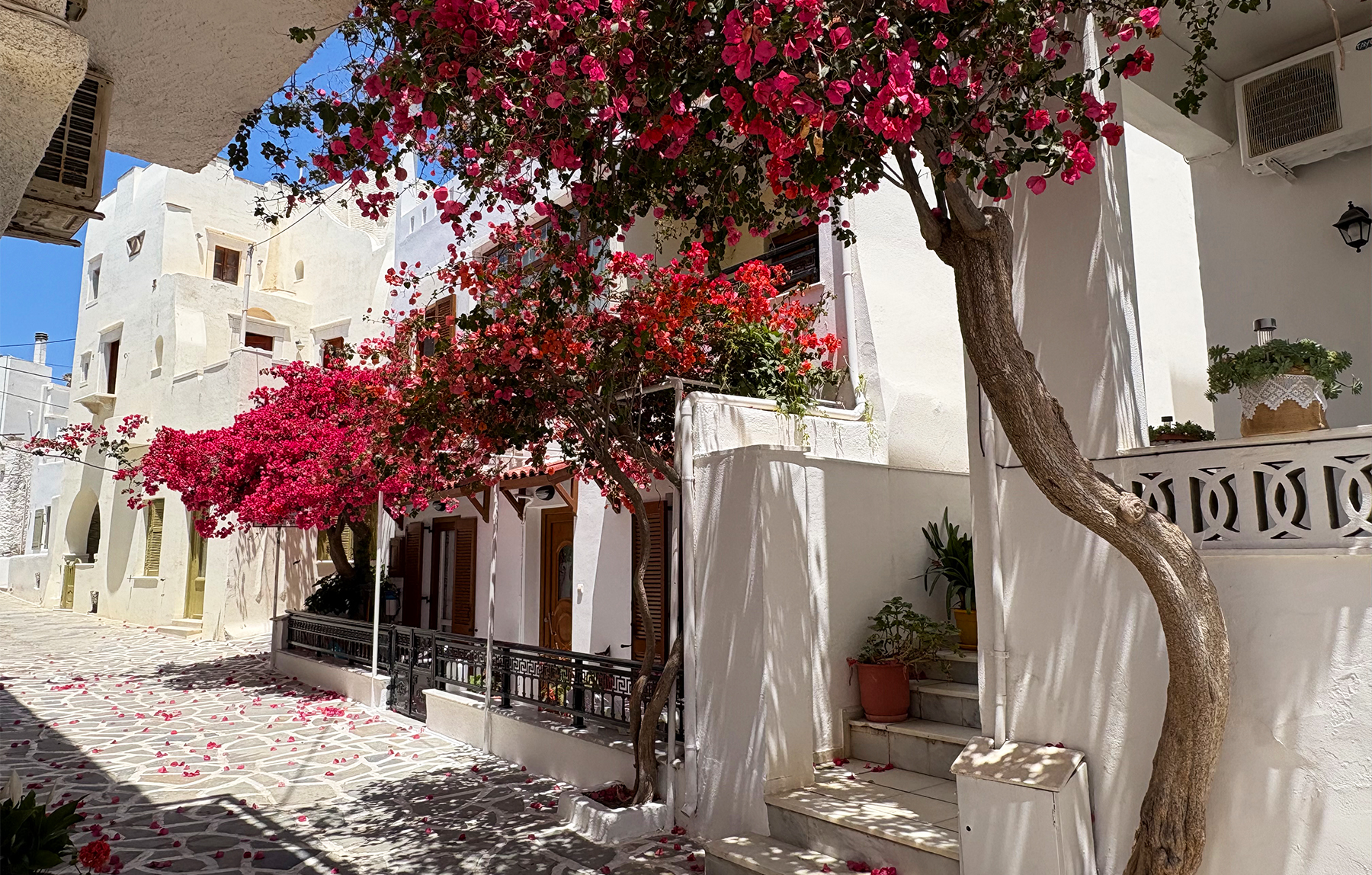
The main town of Naxos is filled with boutique shops selling everything from jewelry to beach items along with other local products. While the shops tend to feel more touristy the closer you get to the waterfront, the fun part of shopping in the Chora is weaving through its maze of streets to seek out hidden gems.
Some favorites include Helais Olive Tree Creations for beautiful olive wood cutting boards, spoons and other decorative items, and Agean Treasures with its kaleidoscope of swimwear and accessories, perfect if you’re in the market for a new bikini or two. While there are loads of jewelry shops around town, some that I personally enjoyed while seeking out the perfect pieces include Melissinos Jewellery for higher end jewelry at reasonable prices and Erato Art Gallery where its unique jewelry is quite literally displayed as art throughout a minimalist space. And just when we thought we’d popped into every jewelry store, we quite literally stumbled into Katerina Vasilaki Jewelry towards the top of town near the Venetian castle on our last night, where we found some distinctive items for gifts at reasonable prices.
5. Eat Delicious Food
Naxos is the greenest and most fertile of the Cycladic islands, which means you’ll find its bountiful agriculture on full display at restaurants across the island. Local ingredients mingle with traditional Greek staples – think fresh produce, meat and seafood, olives, and honey alongside creamy Naxian potatoes and cheeses like Graviera and Arseniko. You can read more about the specific restaurants we ate at (and dishes we are still dreaming about…) in my post EATS: Naxos.
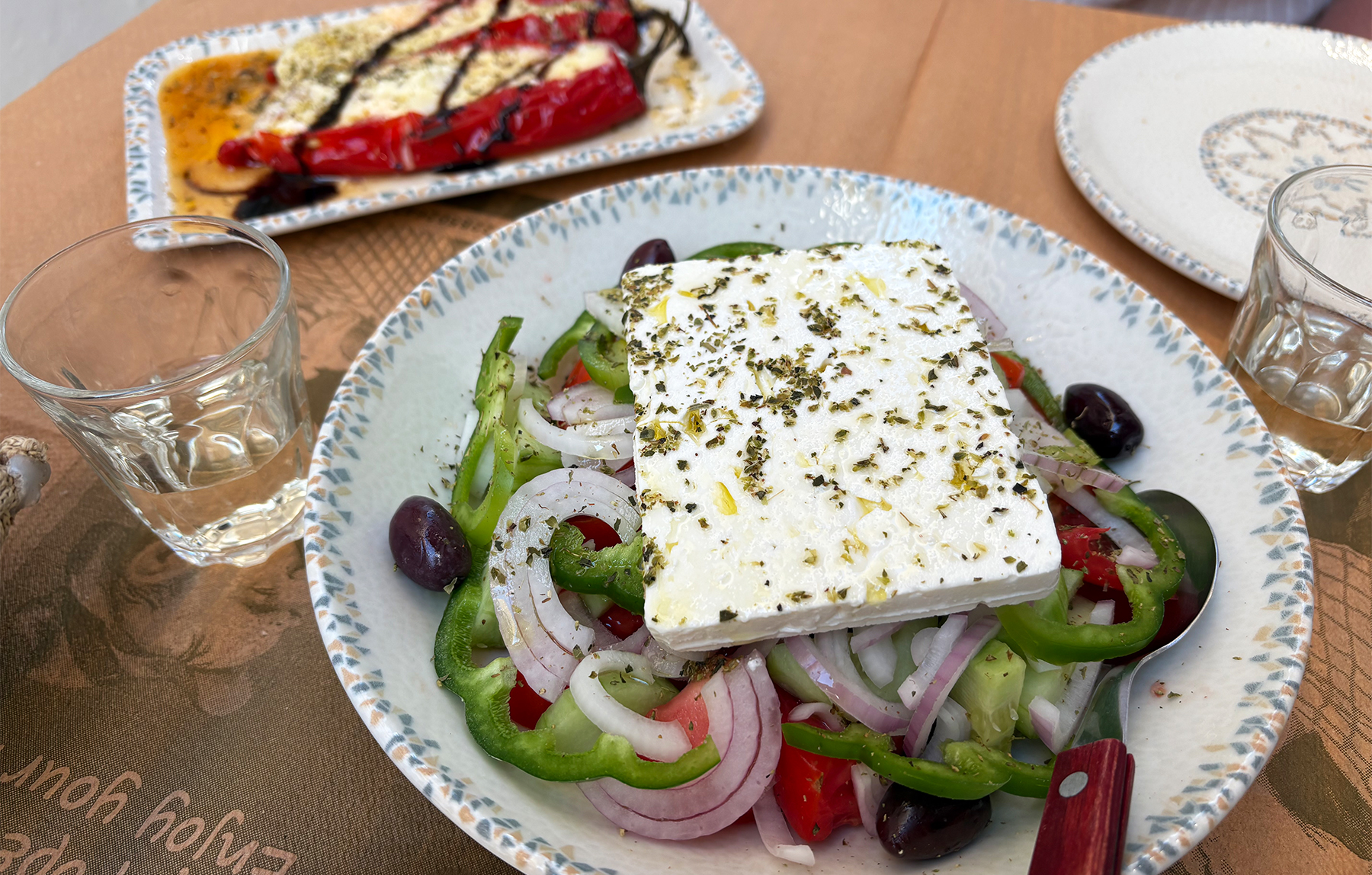
For other food and drink related experiences, book a tasting and tour with Naxos Happy Olives or look for its locally produced olive oil in shops to take home. You can also tour the Vallindras Distillery in Chalki where Naxos’ trademark Kitron liquor is made using leaves from the citron tree, which can be enjoyed by itself as an aperitif or in cocktails and desserts.
Bonus: Explore MountainVillages
Spending a day visiting some of the mountain villages in the interior of Naxos is a delightful way to slow down and experience a slice of traditional life. While buses from Naxos town are fairly frequent, it’s even easier to reach this part of the island by renting a car, scooter or even ATV for the day (we rented from Moustaki Rental and experienced the warm and friendly customer service from Liana and her team, from the booking process to meeting us at the port with our car and picking it up from our hotel).
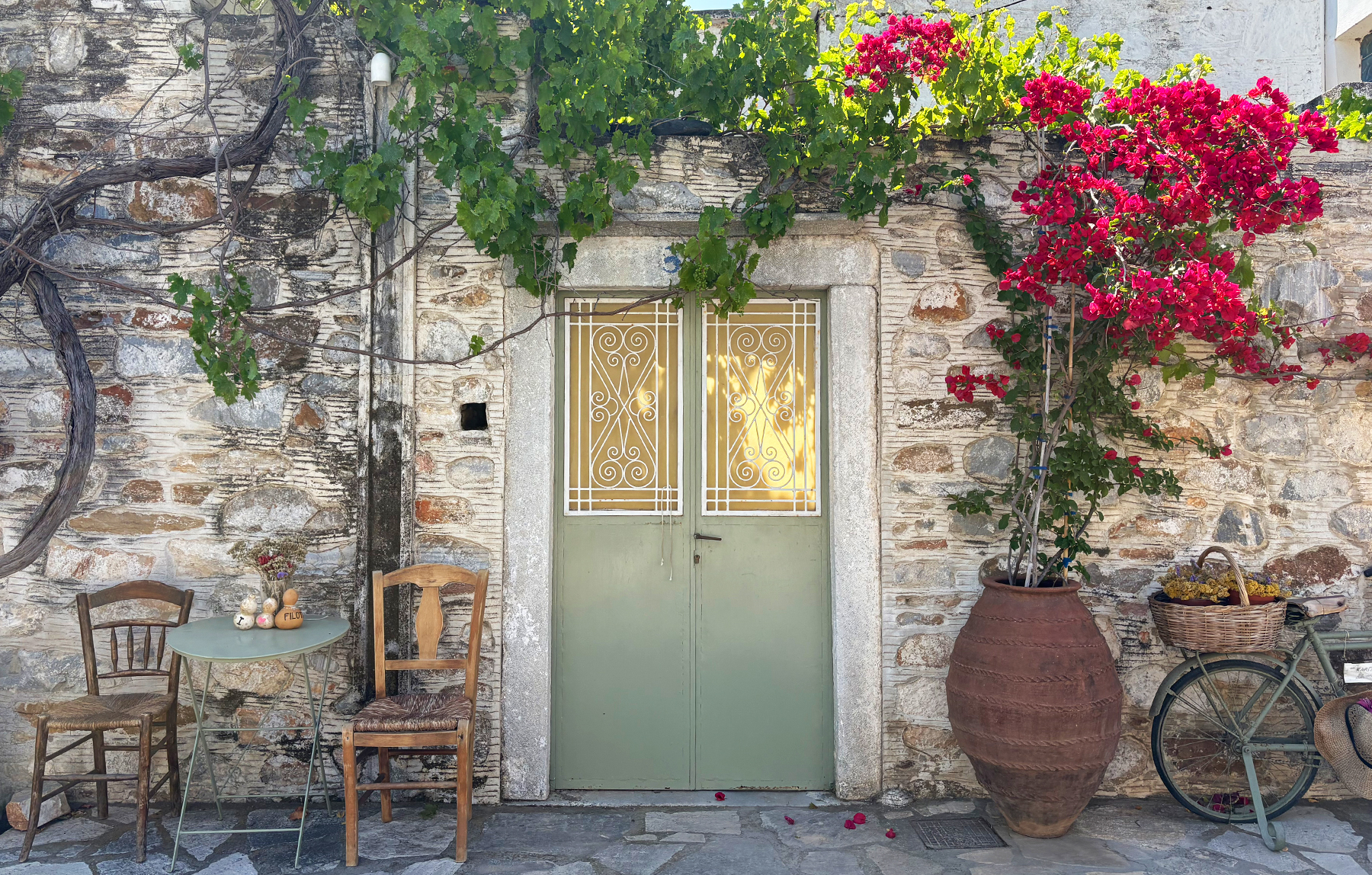
Some favorites include Filoti, where you’ll find a small main street dotted with shops, restaurants and ever the watchful eye of residents sitting in doorways. After our hike down Mount Zas we stopped at a bar named Cappuccinos for a much-needed glass of water and cold frappe, and we returned to Filoti a second time to visit Theonas and some of the shops and ended with another coffee break under the shaded patio of The Old Cinema café. Equally as lovely was Chalki, which is one of the most picturesque villages on the island with a hadful of tavernas, shops and the kitron distillery mentioned above, and Apeiranthos, the so-called marble city where we climbed up and down and wove through marvel-paved streets and alleyways and purchased some beautiful ceramics from a shop along the terrace at the foot of the town. These types of hidden gems are the ones that leave lasting impressions and are well worth the extra effort to seek out.

ON THE MAP
 Boarding Pass