
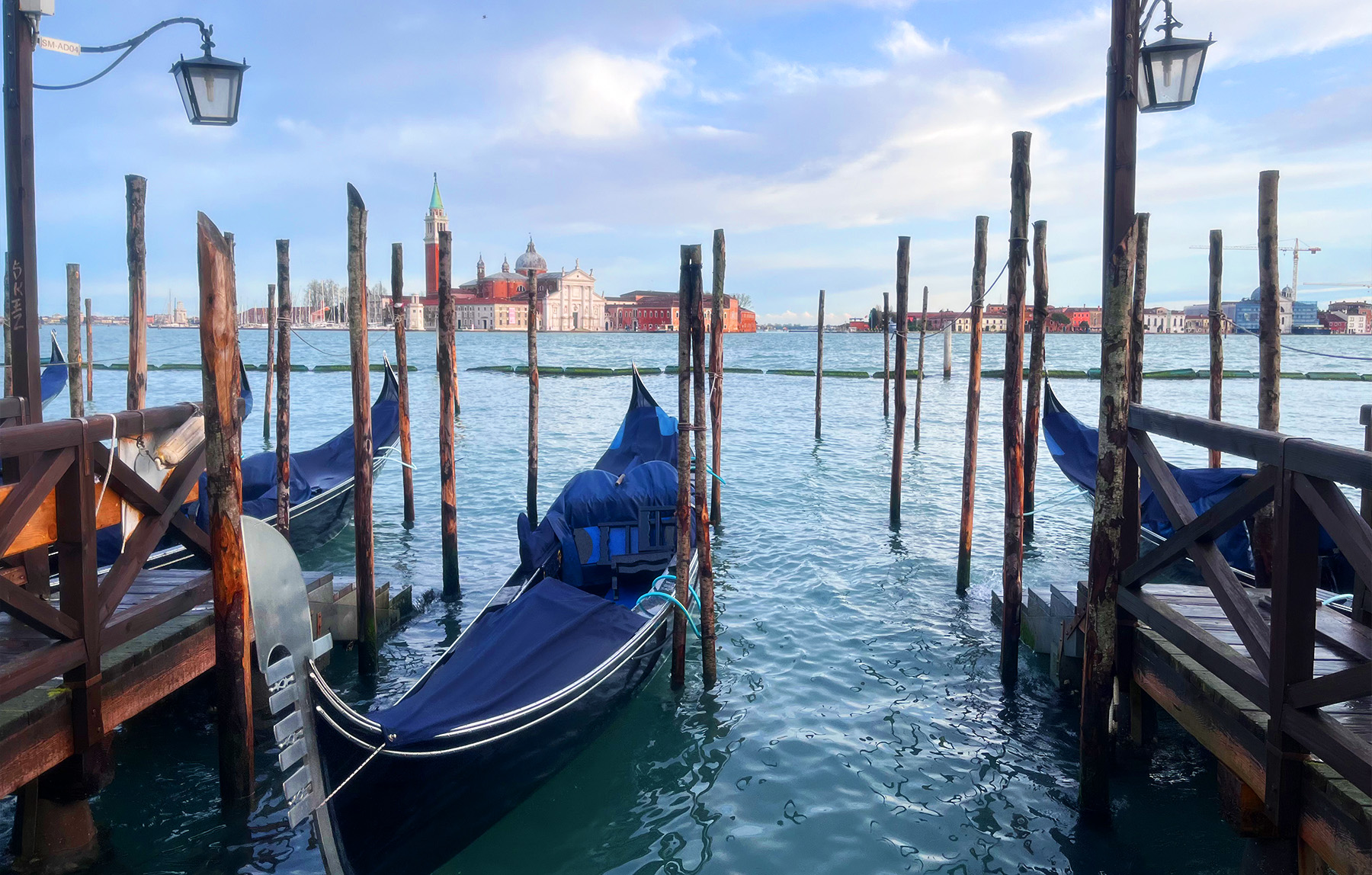
Venice is a city that needs no introduction. Its among the most-visited destinations in Italy where water is a way of life. This very factor is what makes Venice distinctive, from its seafaring history as a crossroad between the east and west, to its unique geography built upon more than 100 tiny islands in a lagoon off the Adriatic coast. It’s such a dreamy place that it may be hard to believe it’s actually real, but also a fragile one (not unlike like the blown glass its known for) that faces hard realities due to extreme weather and a resident population in decline while tourists are on an even greater incline. As American anthropologist Loren Eiseley wrote, “If there is magic on this planet, it is contained in water.” That could not be more true of Venice, and those who scratch deeper than its surface will be swept up by its spell.
Getting There and Around
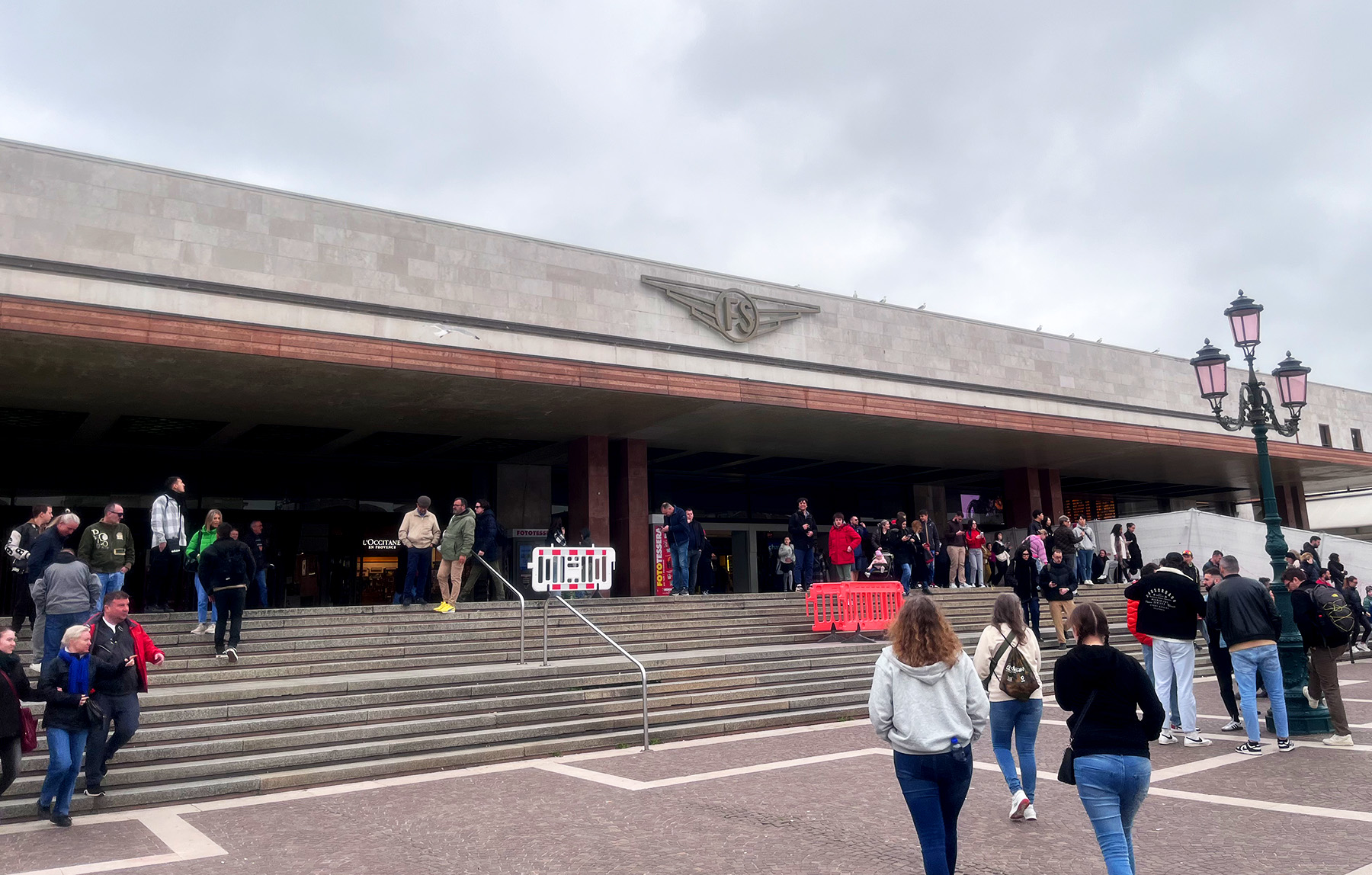
Most people will arrive in Venice by either train or plane. The city’s Santa Lucia train station is an extremely convention option as it drops your off right at the city’s doorstep. From here you can easily reach your final destination on foot or by the city’s water boat public transportation called vaporetti, which serves Venice as well as its neighboring islands. As you might expect, Venice is a car-free city so if you are coming or going by vehicle you’ll do so via the nearby Piazzale Roma, where you’ll find a variety of parking and car rental options, as well as the bus terminal. Note that if you’re daytripping to Venice you may be required to pay an access fee.
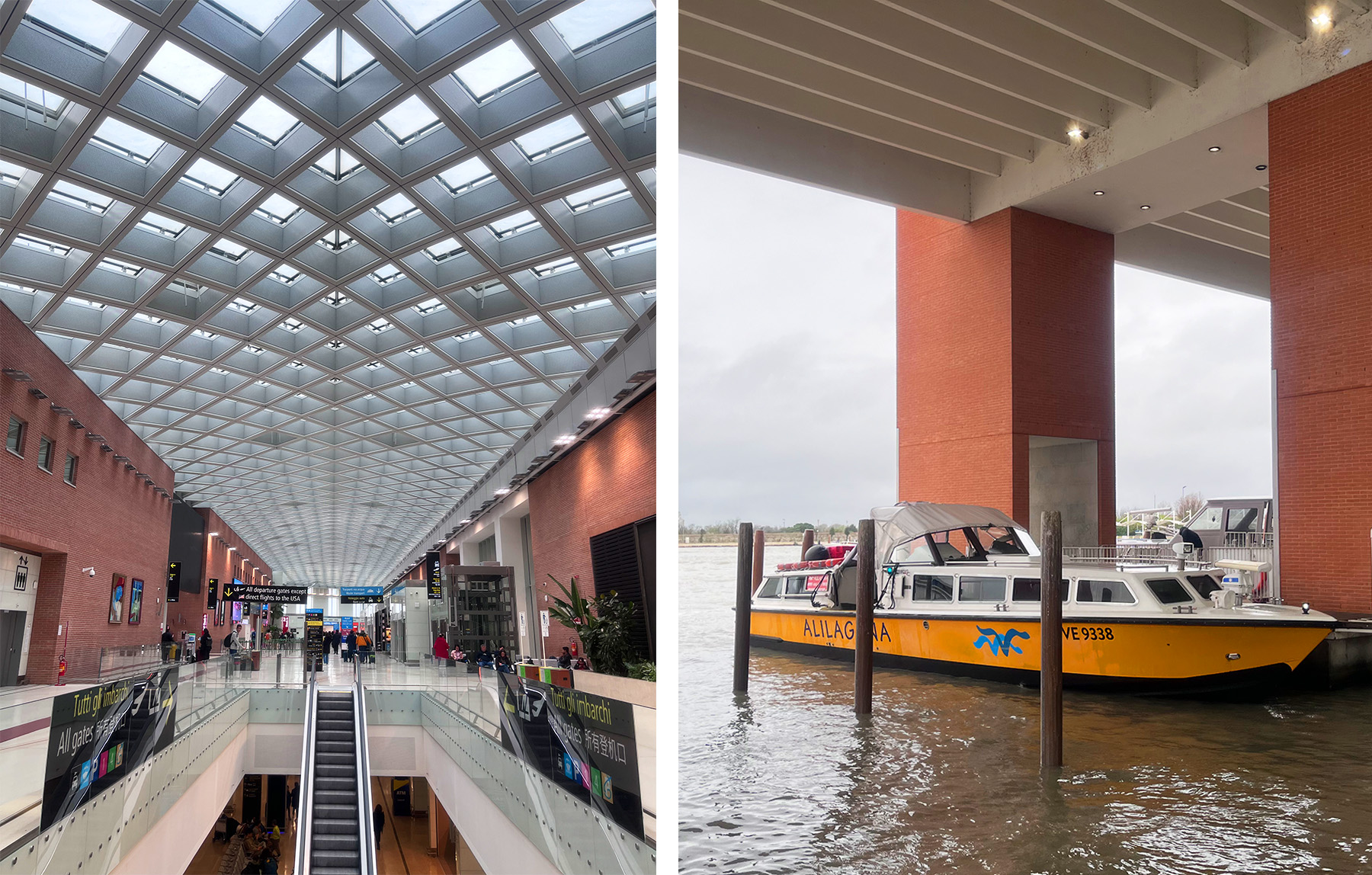
The Marco Polo Airport (VCE) is located on the mainland and offers a handful of connection options to reach the city center depending on your time and budget, ranging from expensive but fast private taxis to the ACTV and ACTO buses as a cheaper but longer alternative. Another option is an Alilaguna boat from the airport’s dockyard to various points around Venice. These boats can take a bit longer depending on your final destination, but are an easy and relatively affordable way to travel between Venice and the mainland.
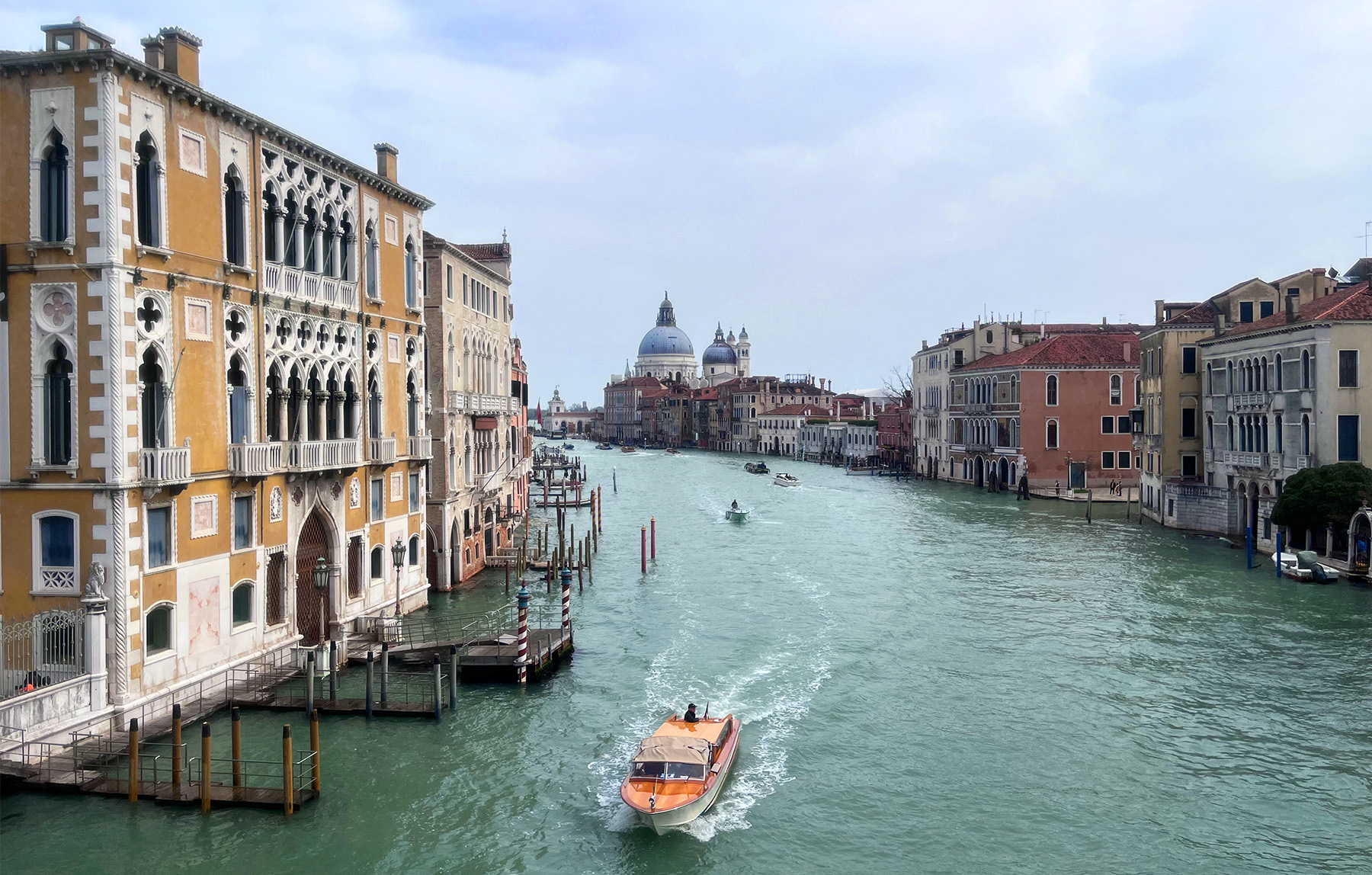
Venice itself is fittingly shaped like a fish, with its main transportation hub entering through its mouth. The city is divided into 6 sestieri, or neighborhoods – Cannaregio, Castello, Dorsoduro, San Marco, San Polo and Santa Croce – each with its own character. Venice is relatively easy to navigate even without the presence of street signs, with the Grand Canal cutting through the center like a backwards “s” and the occasional directional indicators pointing toward major destinations such as PER RIALTO and PER S. MARCO. Personally one of my favorite things about Venice is how you can get “lost” wandering among its streets, campos and bridges without ever really being lost, so don’t be afraid to venture outside of the popular spots, which will undoubtedly be congested and oversaturated with tourists.
What to See and Do
Venice is a city that struggles with overtourism and has put forth many efforts in recent years to attempt to combat this and encourage visitors to branch out from popular spots like Piazza San Marco and the Rialto Bridge. That’s not to say that these spots aren’t worth their notoriety, but for some additional ideas check out my Top 5 Things to See and Do in Venice, which covers a number of iconic sites and experiences, as well as a handful of lesser-considered alternatives.
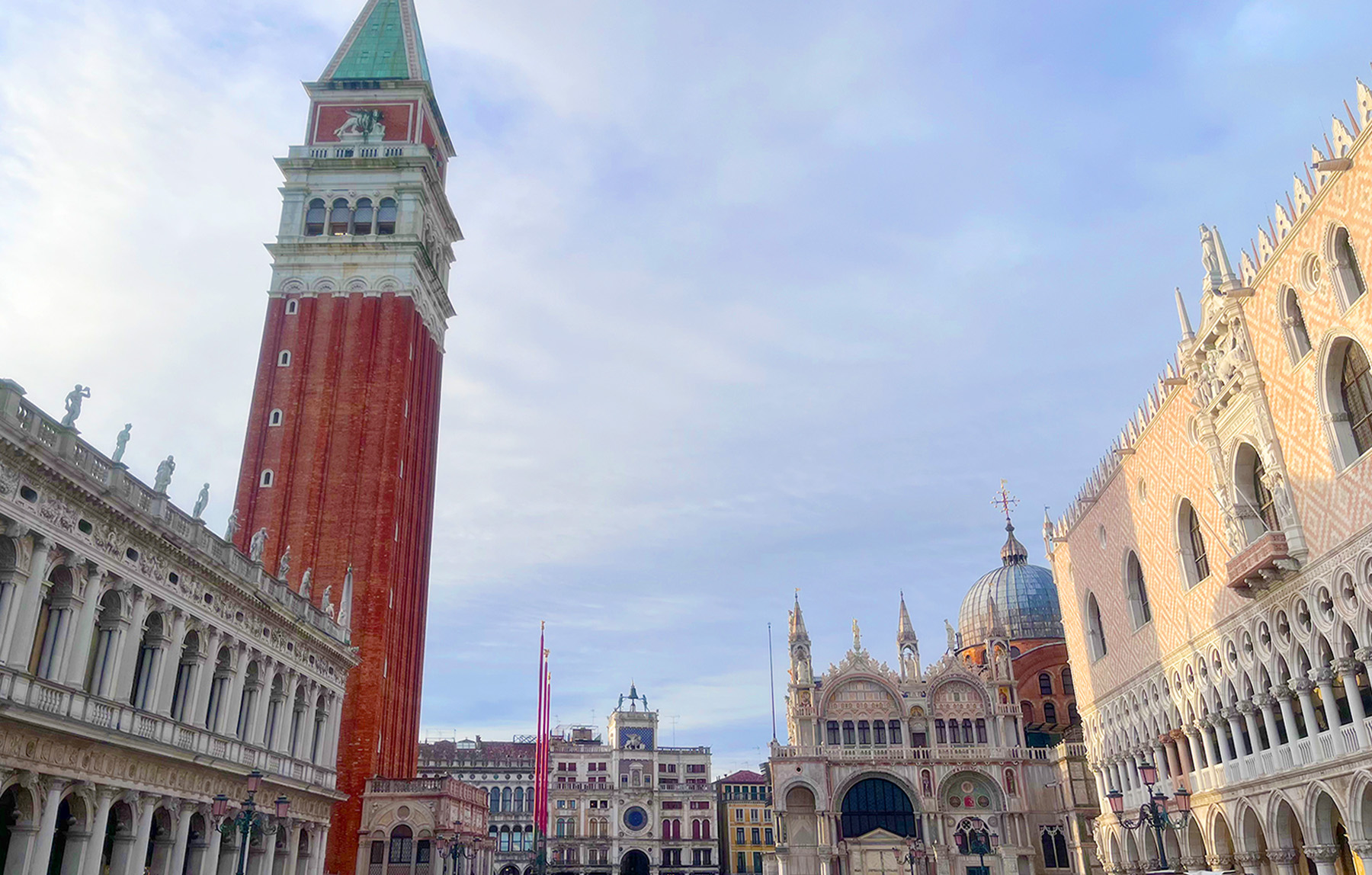
The postcard-perfect Piazza San Marco is the epitome of beauty, art, architecture and history with its elegant arcades, historic cafés and the show-stopping Basilica di San Marco. The basilica boasts an amalgamation of Byzantine, Gothic and Renaissance architecture, and provides visitors with an array of options to visit its sumptuous interior (just remember that shoulders and knees must be covered inside of churches in Italy). Piazza San Marco is also home to the imposing Renaissance-era Campanile di San Marco bell tower and Torre dell’Orologio clock tower featuring the proud winged lion of Saint Mark atop a celestial blue background, both of which offer incredible views of the city and sea for the small price of a short climb. The square is often quite crowded, so as an alternative, consider venturing out to the charming Dorsoduro neighborhood to enjoy an afternoon gelato as you walk along the waterfront or visit the Basilica Santa Maria della Salute at its point with equally as impressive views.
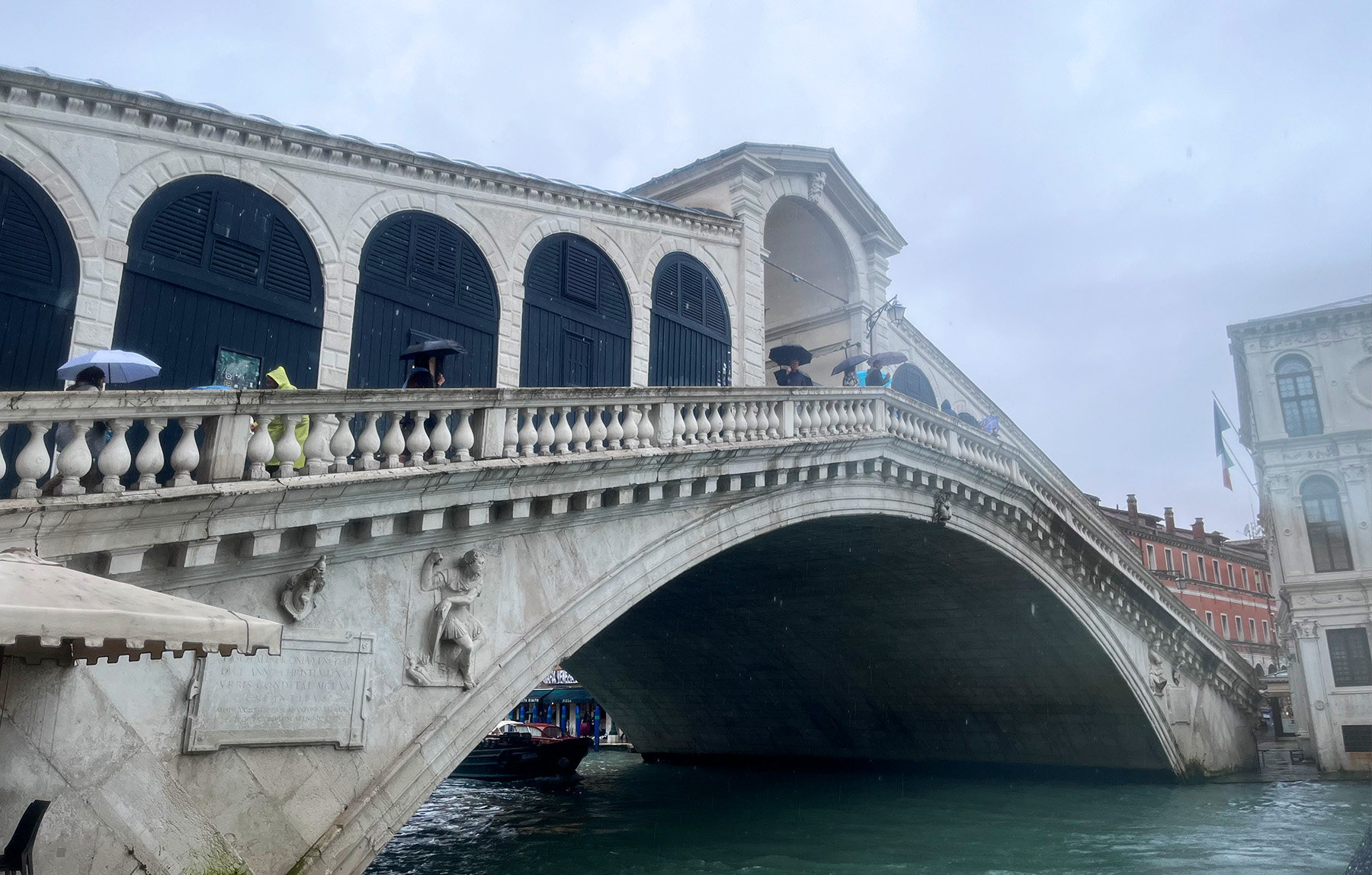
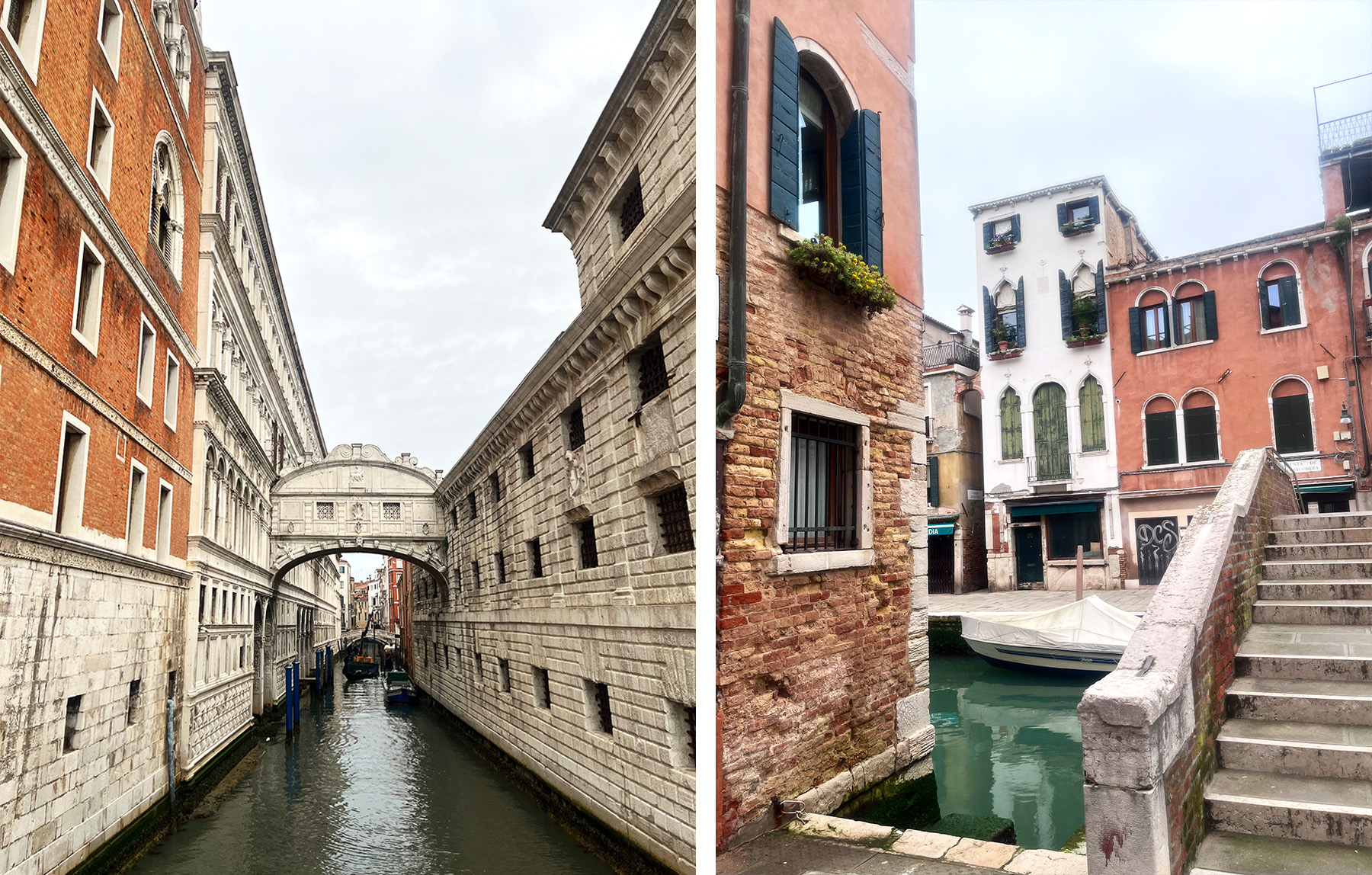
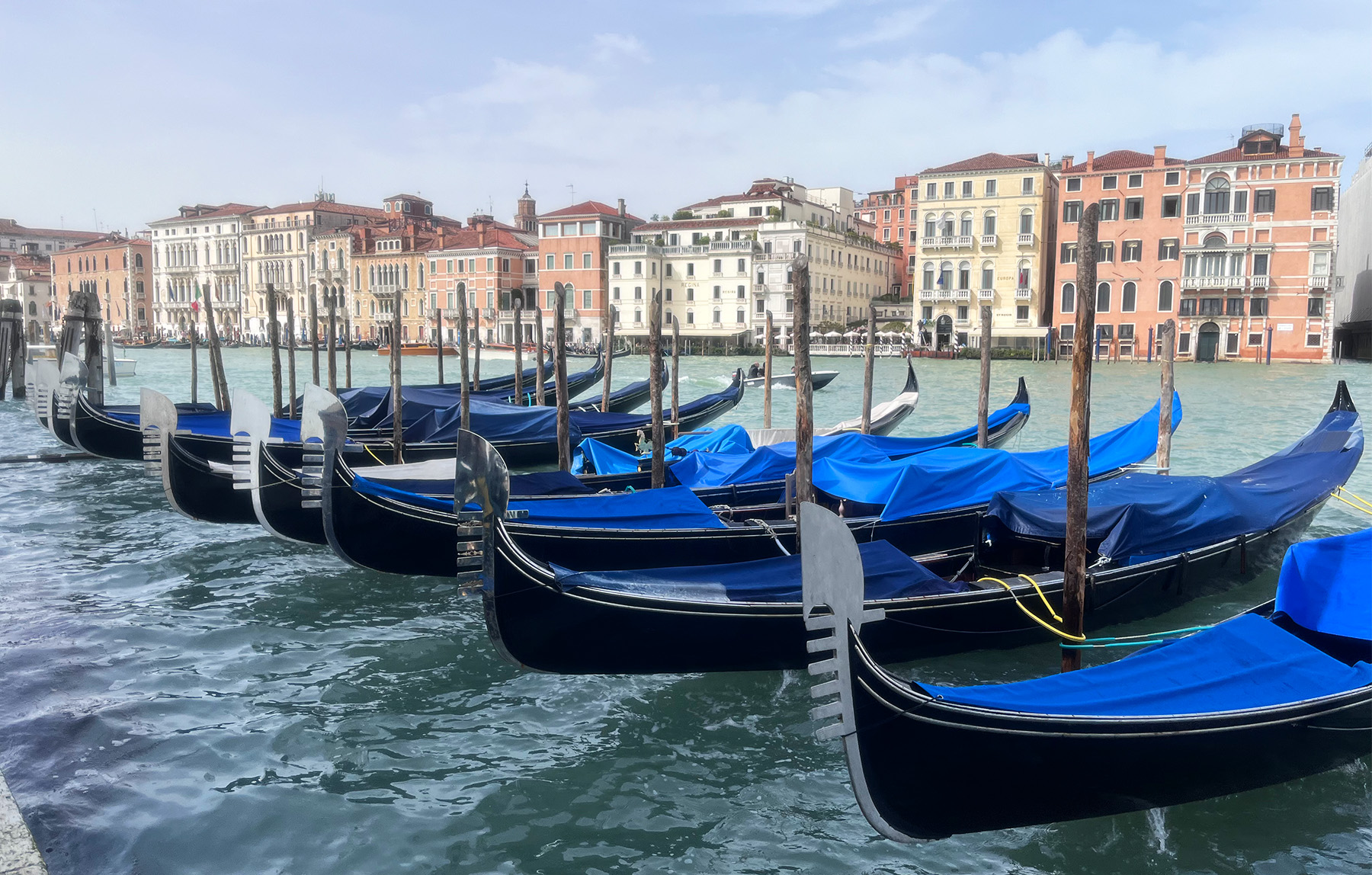
Speaking of water, in a city that’s literally defined by its waterways, you should experience the magic of riding through Venice’s canals on a gondola, why not also try your own hand at rowing with Row Venice. Of the city’s 400 or so bridges, the most famous in undoubtedly the Rialto Bridge, which spans the Grand Canal at its narrowest point, connecting San Marco and San Polo districts in the heart of Venice. It’s one of the oldest bridges in the city and today is home to rows of souvenir shops, which makes navigating the area around the Rialto Bridge an exhausting experience. Another famous bridge is the Bridge of Sighs, so-called because of the sighs prisoners used to give as they made their way to the nearby prison, which is also in an often-congested area with tourists clamoring for a photo. Both are great examples of the benefit of venturing further out to find quieter spots where you’re more likely to have the bridges and surrounding streets all to yourself.
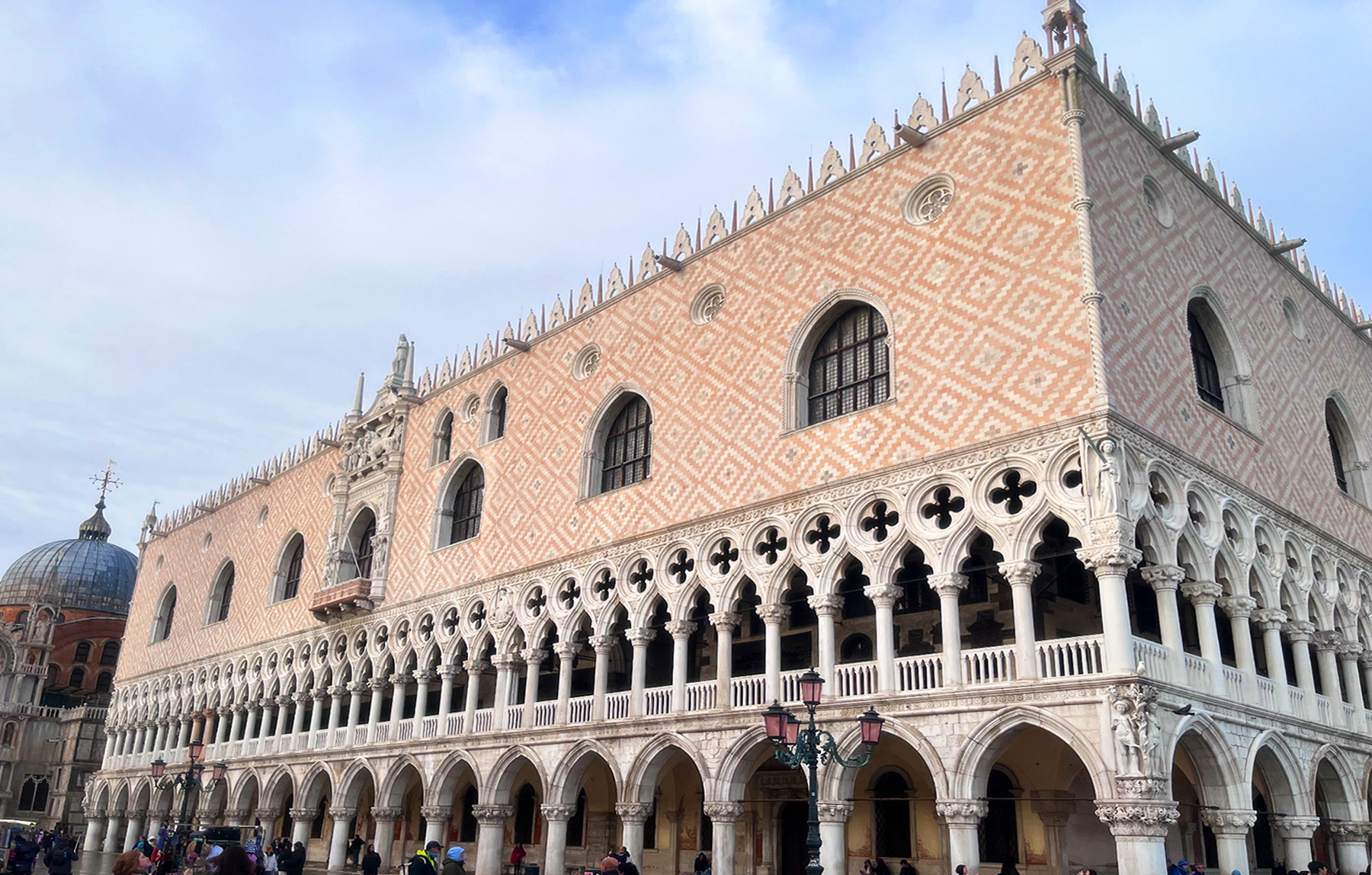
Venice is also home to some incredible museums ranging from the pink and white marble-clad Palazzo Ducale on Piazza San Marco. This Gothic palace and prison was a long-standing symbol of weather and power of the ruling Doge, and is an example of one of many former palazzi in Venice that now showcase amazing art, architecture and in the case of Palazzo Ducale armory, for all to enjoy. Other heavy-hitting museums include the Peggy Guggenheim Collection for 20th century art and Gallerie dell’Accademia with an array of Venetian art from the 13th to 18th century (access it via the wooden Accademia bridge, another of the only 4 bridges that cross the Grand Canal), while smaller museums like the Naval History Museum and Natural History Museum are equally as engaging and likely to be less crowded.
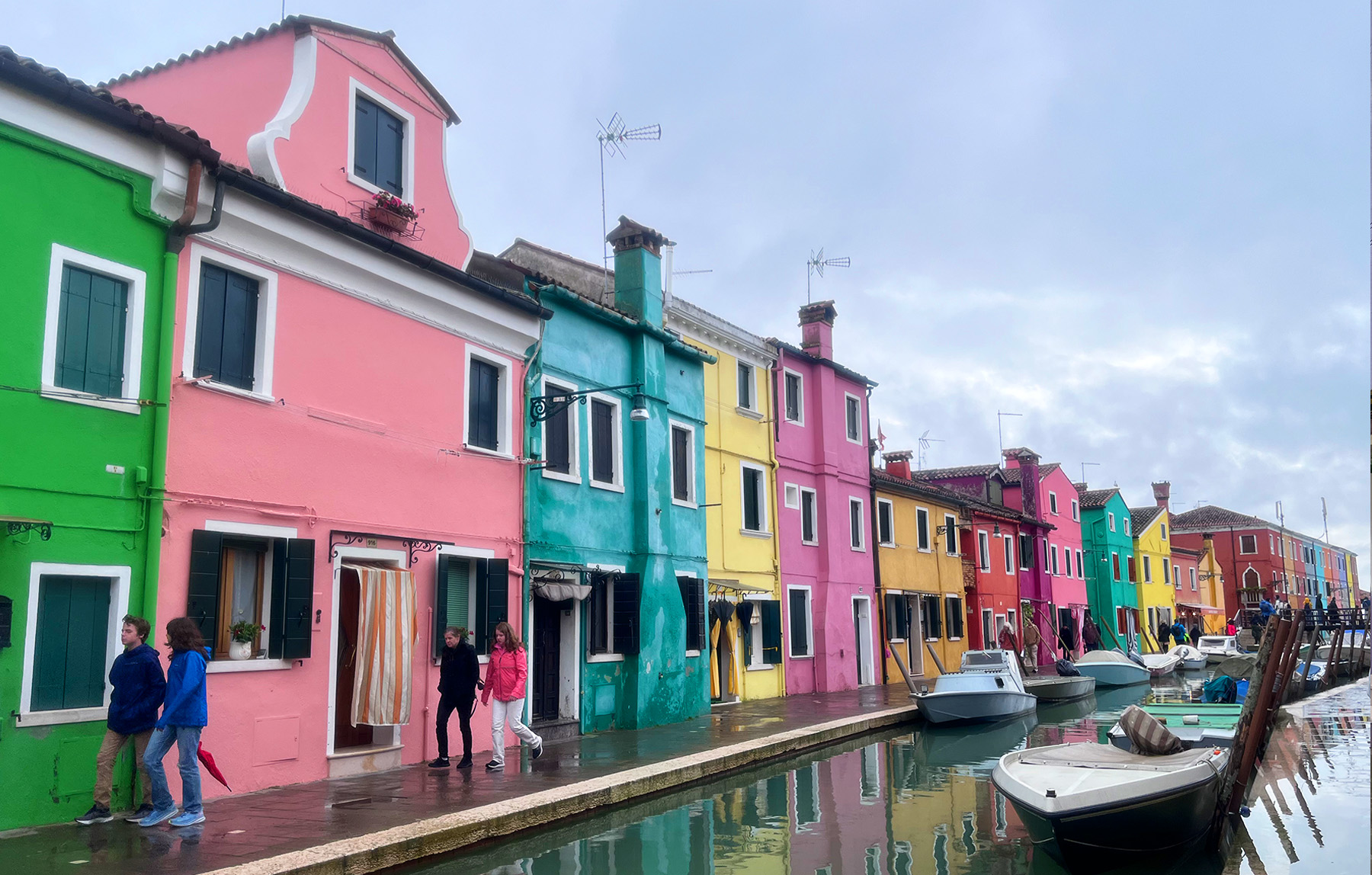
While there is so much to see, do and explore in the heart of Venice, you can also take a vaporetto to nearby islands such as Murano (home to glassmaking factories), Burano (defined by its colorful houses and lace-making heritage), Torcello (the original birthplace of Venice) and San Giorgio Maggorie (home to a church and monastery by the same name with stunning views).
Where to Eat and Drink
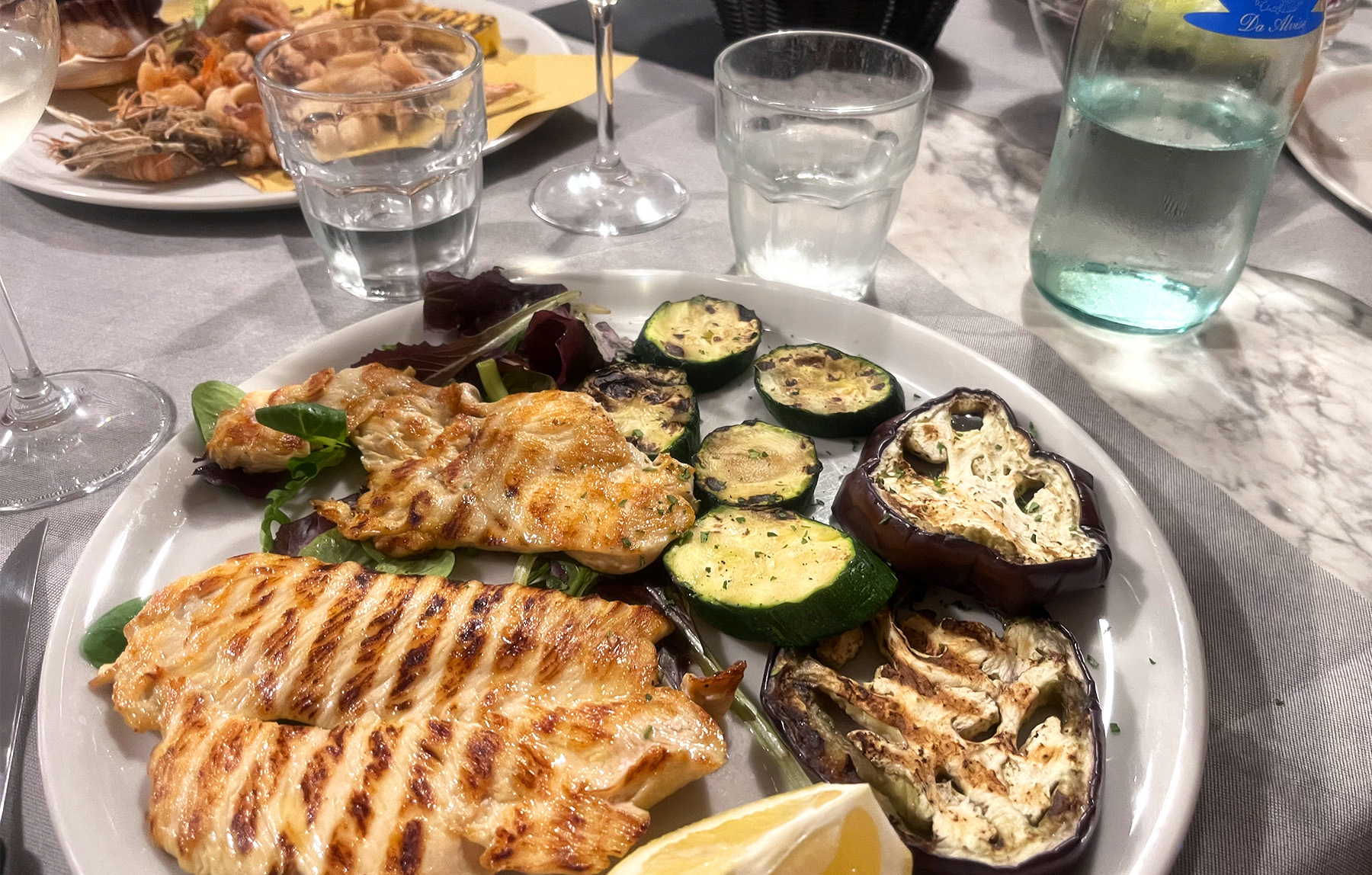
Pizza, pasta, seafood – Venice has it all! The latter is of upmost importance given the city’s unique geography. While I’m not the most qualified to give specific recommendations as I’m not a fan of seafood, a fun way to sample the best of what the lagoon has to offer may be a fritto misto with a selection of items lightly breaded and fried to a delightful crisp. You’re also likely to encounter polenta and an abundance of risotto rice-based dishes (often with seafood) on menus throughout Venice, both which are typical of northern Italy. One of my favorite dining experiences was at Ristorante Pizzeria da Alvise, which not only serves a selection of traditional seafood dishes with a nod to both the sea and the season, but also offers a variety pasta and pizza options along with spectacular views of the lagoon to be enjoyed in warm weather.
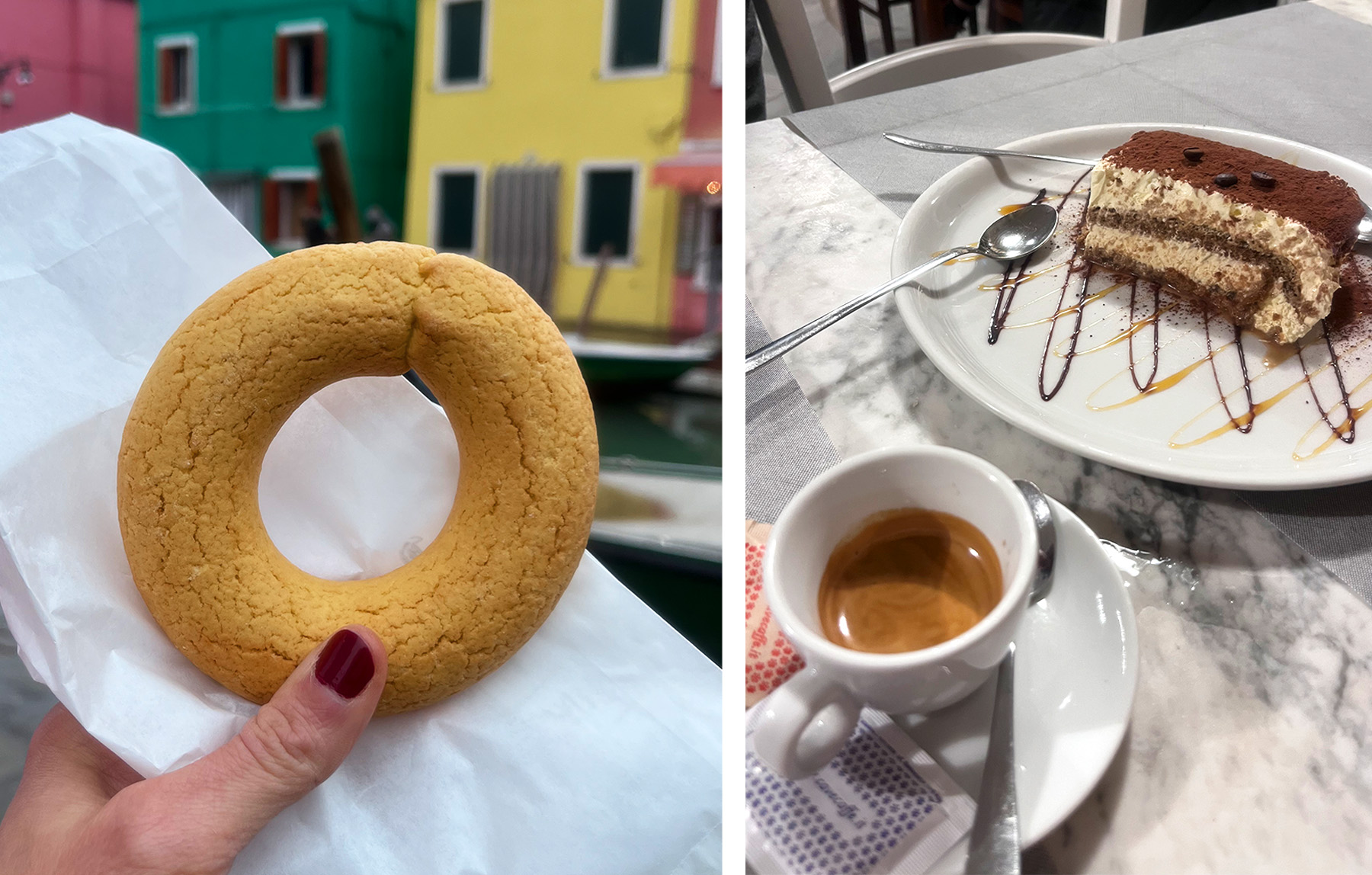
Another distinctively Venetian experience is cichietti, the city’s version of tapas that are often served on sticks or as pieces of bread topped with nearly every ingredient under the sun (or perhaps more accurately, under the sea). These bite-size snacks are plentiful at wine bars throughout Venice, and can be washed down perfectly with an aperitivo like spritz or a glass of prosecco. And there are no shortage of sweets ranging from tiramisù (the birthplace of this delicious layered dessert can be traced back to the Veneto region), gelato (a favorite place is Gelateria Nico along the waterfront in the Dorsoduro) and simple bussola cookies (simple butter cookies from Burano that were once a snack of choice for Venetian fisherman), which can be found at bakeries throughout Venice. You can find more recommendations for places to eat in Venice here.
Where to Stay
My favorite place to stay in Venice is in the quieter Cannaregio district along the northern part of the island. It has easy access to public transportation and many of Venice’s major sites but retains a more local neighborhood feel. I first fell in love with the area years ago when I rented an apartment from an adorable little old man named Lorenzo in the pre-Airbnb days. Most recently I discovered Ca’ Vendramin Zago. This former 17th century palazzo turned boutique hotel is nestled in the heart of the Cannaregio right next to its own bridge off a canal. The location feels removed from the tourist crowds but is only a short walk from the train station, Strada Nuova and many restaurants and shops.

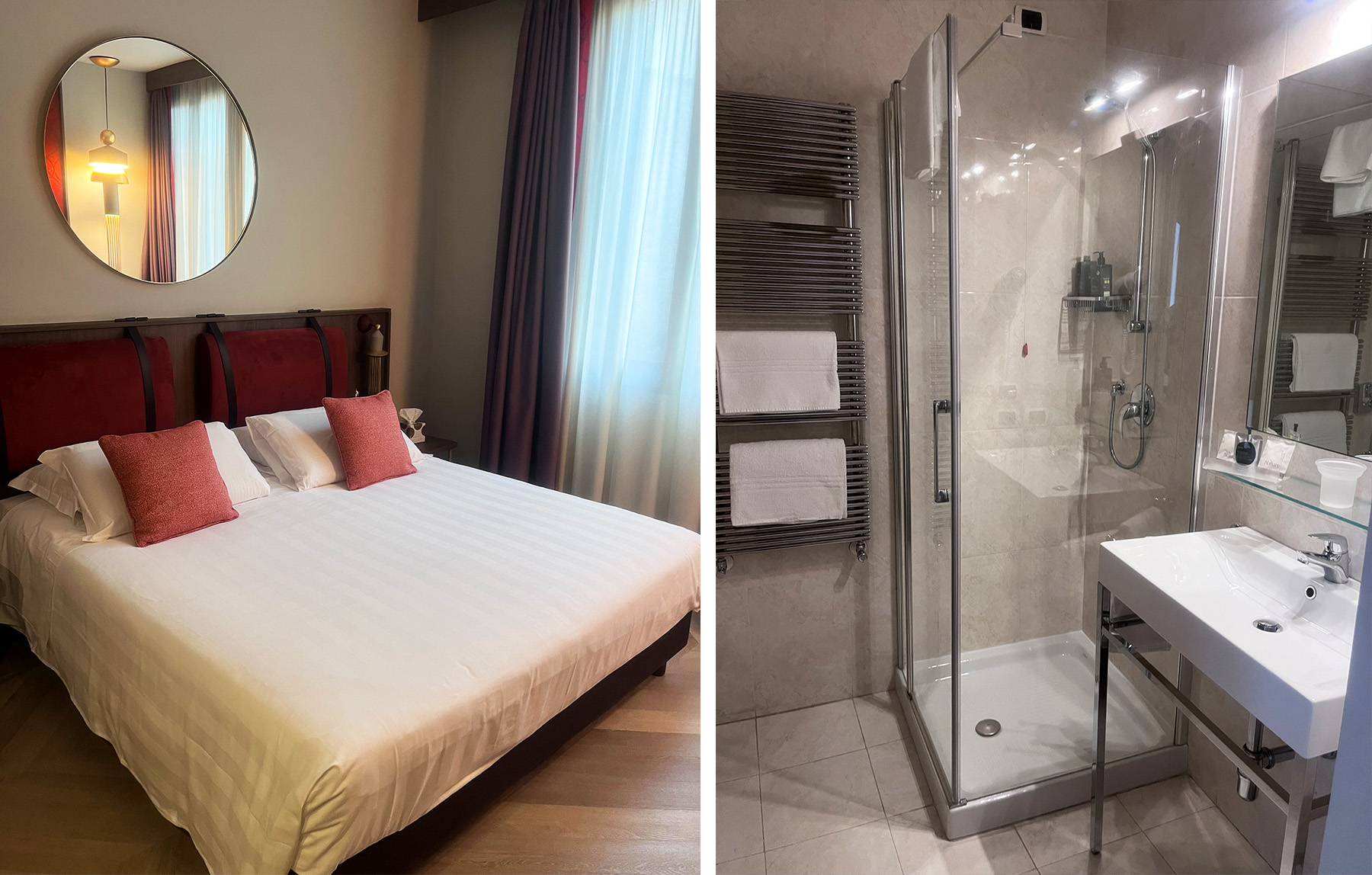
An elegant staircase leads to two floors of rooms, some of which are furnished in a more traditional Venetian style while others are fresh and modern with touches of the city’s opulence. Our second-floor room was newly remodeled with a spacious bathroom, and was the perfect retreat during time in Venice. In the morning a buffet breakfast is available for guests just off the main lobby, with a selection of breads, pastries, cakes, fruit, yogurt, cheese, meats, cereals, juices and made-to-order coffee. The selection was simple but just the right amount of variety to please all palates, and all of the staff we encountered were nothing short of lovely.
Also Good to Know
As a city that’s defined by water, it goes without saying that Venice can experience quite a bit of rain and flooding. Most times of the year this is relatively moderate (bring your umbrella and waterproof shoes), but other times of year water levels can rise to higher levels. This aqua alta (high water), typically takes place a handful of days during the fall and winter where water levels rise so much that low parts of the city flood. The most extreme example of this can be seen in Piazza San Marco, which is the lowest point of Venice, and often becomes swallowed up by the lagoon as it fills with water. It’s a way of life for those who live and work in Venice, where platforms are erected for people to traverse the water and many hotels provide their guests with plastic waders.
 Boarding Pass
MY FAVORITE!!!
LikeLiked by 1 person