
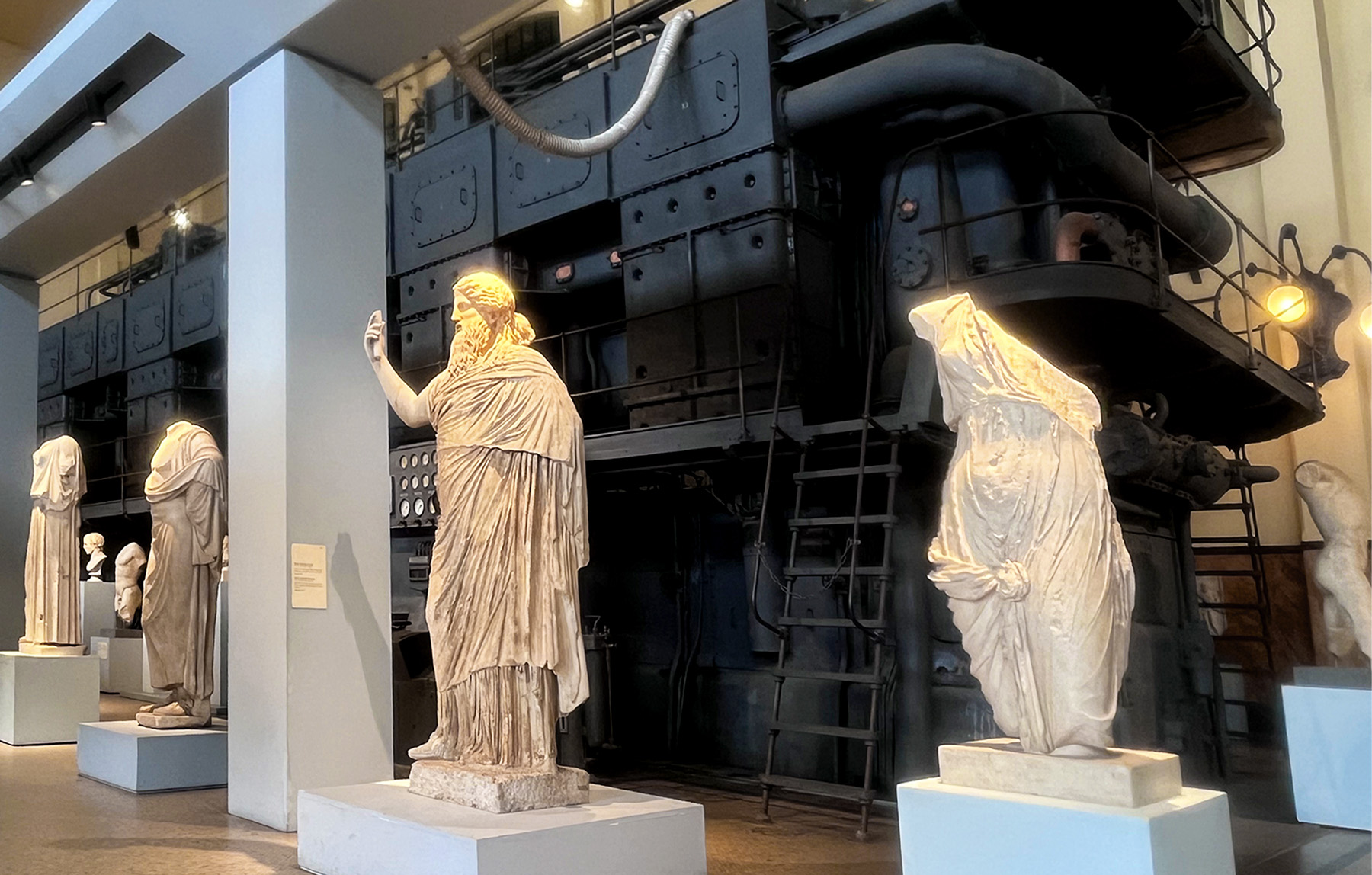
“There is magic in the old and magic in the new; the trick is to successfully combine the two.” ― A.D. Posey
The juxtaposition between old and new, black and white, man and machine are themes that are often depicted throughout art, literature and pop culture. No more are these themes more beautifully depicted than at the Musei Capitolini Centrale Montemartini. Located off the tourist beaten path in Rome’s grittier Testaccio neighborhood, what began as a temporary exhibit today provides visitors with a unique museum experience that embodies the contrast between classical and industrial genius.
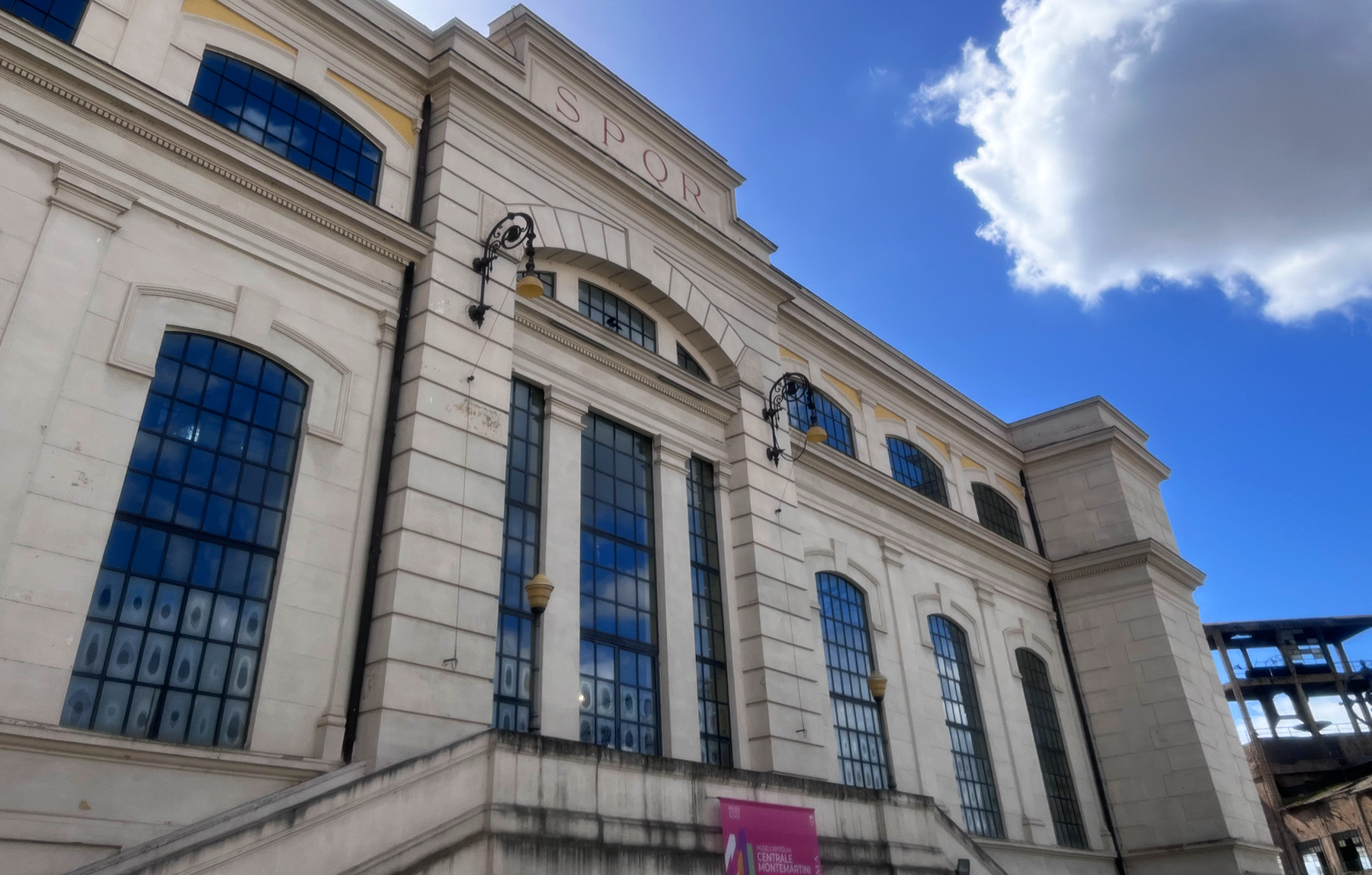
The very setting is what makes Centrale Montemartini such a distinctive destination, once an impressive power plant dating back to 1912, which continued to grow under the Fascist regime in the 1930s and into the 1950s before becoming technologically obsolete and eventually being decommissioned in the 1960s. Saved from demolition, the Giovanni Montemartini Power Plant was later repurposed for offices, warehouse storage and an art and conference center. Fast forward to the 1990s when the site was utilized to test out new museum displays for a selection of sculptures and artifacts from Rome’s Capitoline Museums. In 1997 “The Gods and the Machines” exhibit opened at Montemartini, showcasing two striking themes in a shared space. The exhibit was quite popular with the public and later became a permanent museum in 2001.
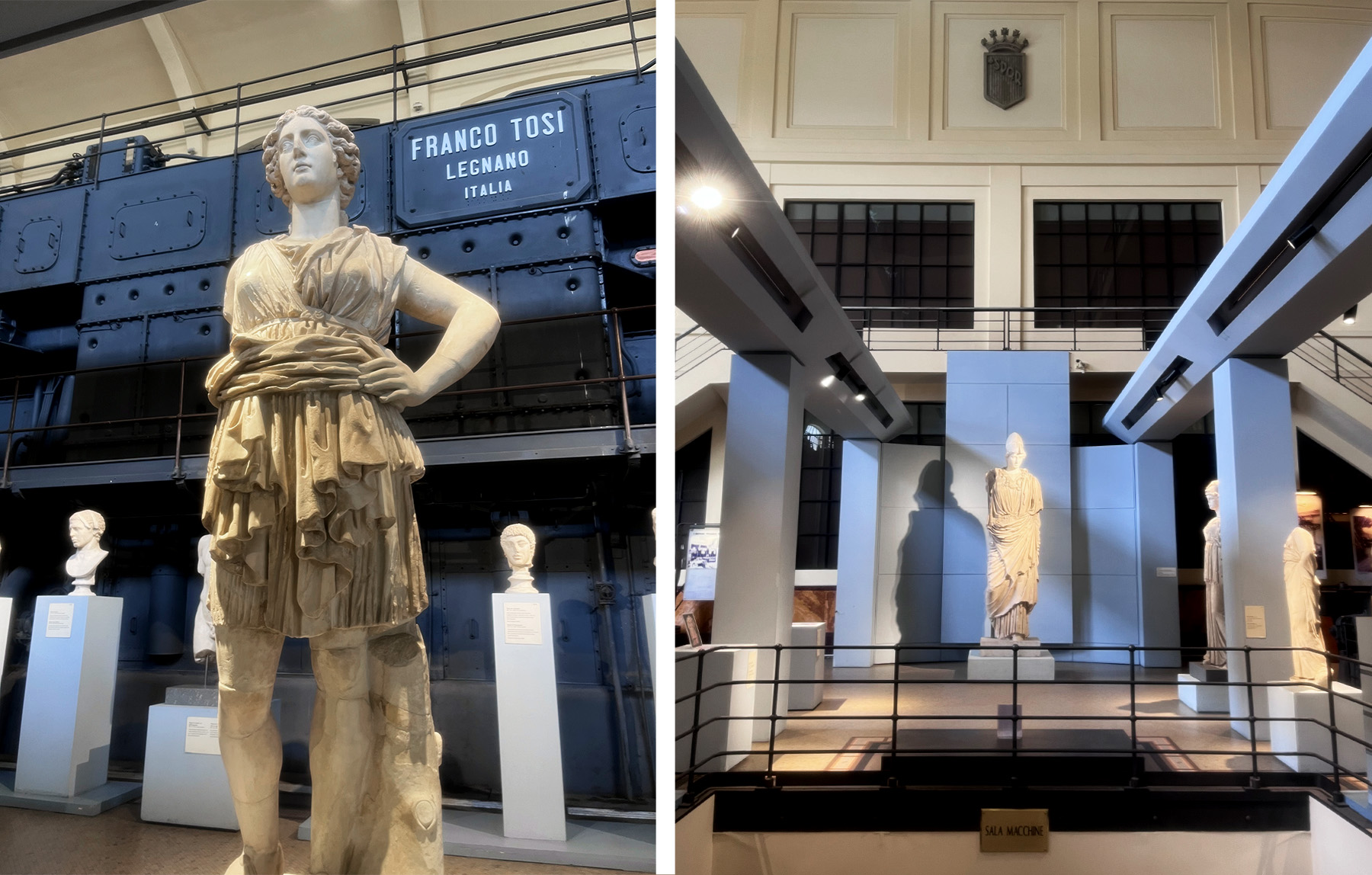
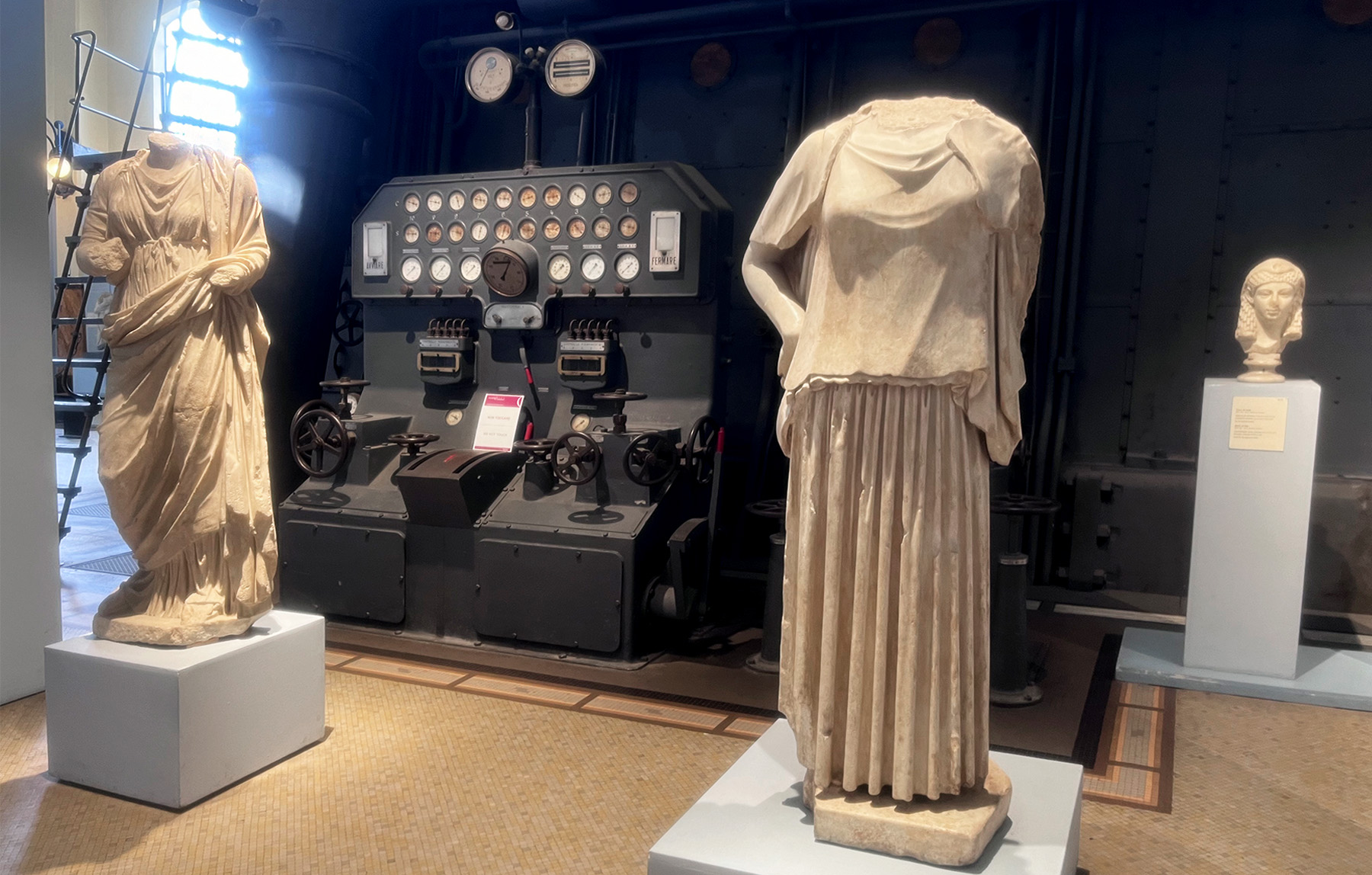
I personally had been wanting to visit Centrale Montemarti for years, but never found the right opportunity to get there. While it might feel a bit isolated, it’s an easy walk or bus ride from the historical core of Rome (we visited following a morning at the Colosseum) and a great excuse to stop at the Mercato Testaccio for lunch en route. There are several different areas spread out across the power plant’s former machine room, engine room and boiler room, as well as a newer exhibition hall that houses Pope Pius IX private train carriages from the late 19th century, which was added to the museum in 2016. I was constantly in awe of the way the milky white sculptures were set against the harsh black machinery, creating a tableau of two completely different time periods co-exiting in harmony. The facility itself was also a work of art in its day, which is still evident in details such as the mosaic tile floors and decorated walls. If you’re considering a visit, the museum is covered by the Roma Pass and is still under the radar, allowing for an enjoyable experience without the crowds of more popular sites in Rome. It’s truly a diamond in the rough that is well worth the extra effort to reach it.
 Boarding Pass